
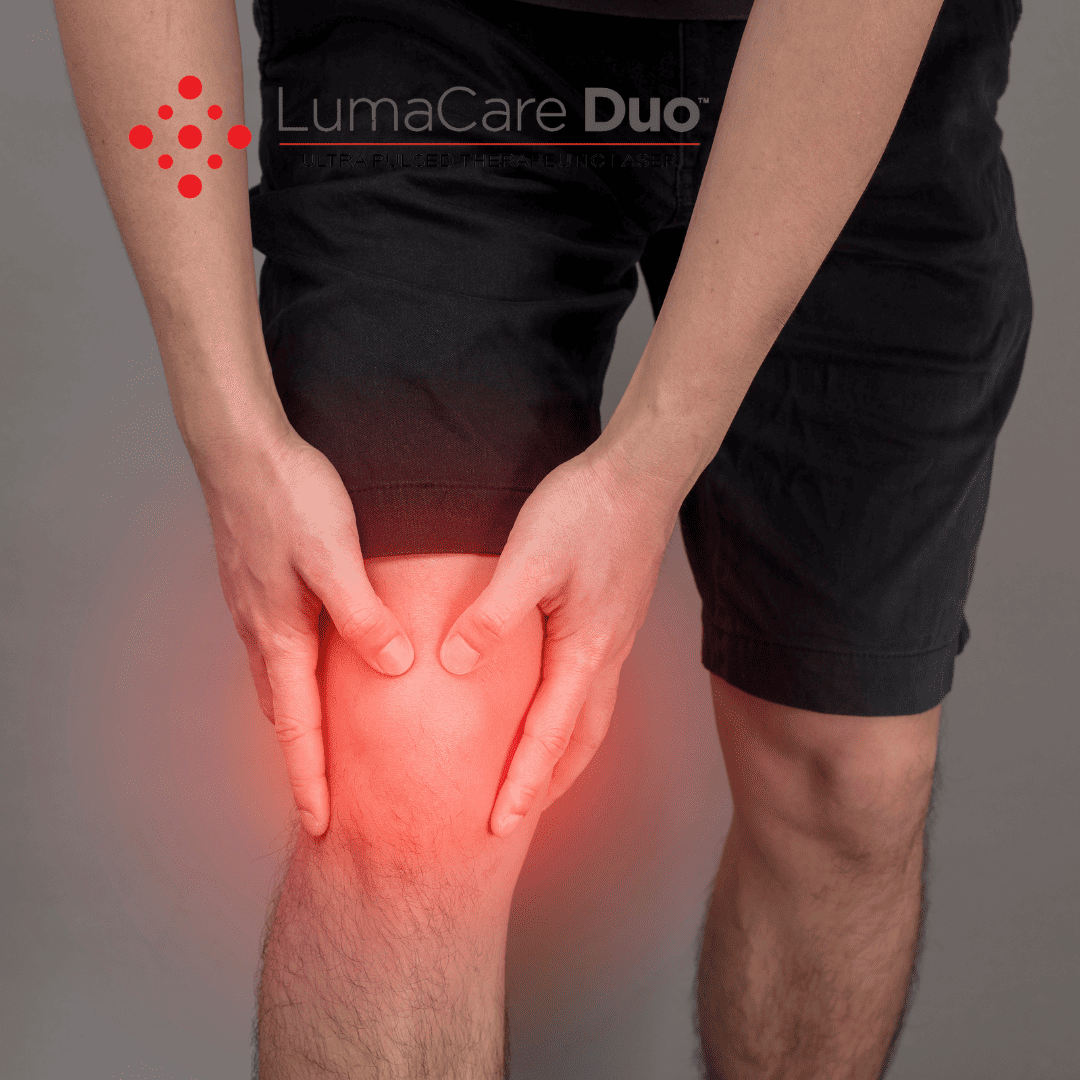
Photobiomodulation therapy for pain is gaining popularity as an alternative to prescription pain medications. But what is photobiomodulation? Also referred to as PBM therapy, it is the use of low-level light, emitted by diodes, to stimulate cell function. Photobiomodulation devices like the LumaCare Duo can offer relief from pain without the need for surgery or pain medicines.
Let’s look further into how photobiomodulation therapy works.
How Does PBM Therapy Work?
Experts claim that photobiomodulation reduces pain and inflammation while promoting healing by activating the electron transport chain within cells.
The diodes emit light that penetrates the skin and is absorbed by mitochondria, which then create adenosine triphosphate (ATP) – the energy-carrying molecule in cells. ATP drives muscle contraction, the spread of nerve impulses, and other related processes that impact how we “feel” pain and how our bodies react to an injury. ATP reacts to the low-level light of photobiomodulation, which causes internal pain mediation.
How Does LLLT Work?
Practitioners have used low-level light therapy through photobiomodulation for many years to treat a variety of medical conditions.
Experts consider it a safe and non-invasive treatment with little to no side effects. A therapeutic dose of light will vary depending on the condition being treated. (Learn more: http://www.ncbi.nlm.nih.gov/pmc/articles/PMC2768283/).
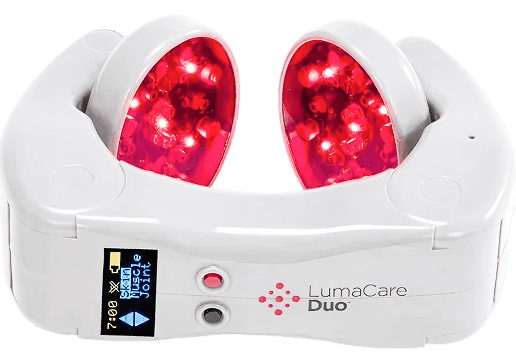
The LumaCare Duo uses 3 different wavelengths, to maximize the success of the treatment for a variety of conditions.
What Type of Pain Does PBM Therapy Treat?
There is evidence that PBM therapy may be effective in treating a variety of acute/chronic pain conditions. These conditions include neck pain, low back pain, carpal tunnel syndrome, and arthritis.
Science Behind Photobiomodulation
Photobiomodulation therapy produces wavelengths that enhance and boost biological activity in our cells, reduce inflammation, and improve mitochondrial function. PBM therapy ultimately stimulates the growth of new blood vessels.
Simply stated, the therapy may help to reduce pain and inflammation while promoting healing.
The LumaCare Duo is a handheld device that uses this low-level light therapy to treat pain and inflammation. It is one of the most affordable PBM therapies of its kind on the market and can be used at home or on the go. Moreover, it uses two emitter heads instead of one.
If you are suffering from chronic pain, give photobiomodulation therapy a try. Also, LumaCare Duo is available to rent.
Please note: This article is for informational purposes only and should not be used as medical advice. If you are suffering from chronic pain and would like to explore the option of photobiomodulation therapy, talk to your doctor or health care provider. They can help you find a reputable therapist who can assess your condition and recommend a treatment plan that may help reduce your pain.