
Discover a Non-Invasive Adjunct for Pain with Cold Laser Therapy
Whether it’s from chronic arthritis, a recent sports injury, ongoing back pain, or a surgical procedure, pain is a common component of daily life for millions of Americans. It can interfere with nearly every aspect of your daily life. In fact, more than 50 million U.S. adults report experiencing chronic pain on most days or every day.1 For many, finding ways to better manage symptoms is an important part of maintaining daily function and quality of life.
Many of those with consistent or debilitating pain want options that don’t include invasive procedures or rely on medications to manage their symptoms. This is one reason why many explore cold laser therapy. It is an innovative, non-invasive therapy that directs red and infrared wavelengths of light at targeted areas.
While not a standalone solution, cold laser therapy can be an adjunct to traditional pain management strategies. Many describe it as a well-tolerated therapy that can be incorporated into an existing care routine.
Because of its non-invasive nature, cold laser therapy use can often fit into daily life, alongside other approaches recommended by a healthcare provider.
What to Know About Cold Laser Therapy for Pain Management
Cold laser therapy, also known as low-level laser therapy (LLLT), is a non-invasive approach that uses specific wavelengths of light to target specific areas of the body. In pain management settings, it is sometimes included as part of a broader care plan aimed at addressing discomfort associated with a variety of conditions.
This type of therapy uses specific wavelengths of light to interact with surface level and underlying tissues.1 Unlike heat-based treatments, cold laser therapy is non-thermal. Sessions are not designed to create warmth or heat. Applications are usually brief and generally well-tolerated.
Cold laser therapy may be used in areas affected by joint discomfort, muscle soreness, or nerve-related symptoms. It is typically considered a complementary option that can be incorporated alongside other approaches such as medical care, physical therapy, or lifestyle-based strategies, depending on individual needs.
Where Cold Laser Therapy Fits in Pain Care Routines
For individuals dealing with acute injuries or chronic conditions, pain can affect more than just physical comfort. It can influence mobility, sleep, daily routines, and overall quality of life. Because of this, managing pain is often an important part of maintaining independence and staying engaged in everyday activities.
Pain management approaches vary in effectiveness depending on the cause and severity of symptoms. Many people use a combination of strategies that may include medications, physical therapy, and other supportive interventions. At the same time, some individuals look for additional options that can be incorporated into their routine without requiring a significant time or financial investment.
As a non-invasive modality, providers and individuals may include handheld cold laser therapy devices in pain management plans. Rather than replacing traditional care, cold laser therapy is typically used as part of a comprehensive strategy tailored to individual needs and guided by a healthcare provider. And while providers can perform sessions in a clinical setting, cold laser therapy devices are also available for home use.
Where Cold Laser Therapy Can Be Used
Pain can show up in different ways, from joint stiffness and nerve-related sensations to muscle soreness and surgical site pain after a medical procedure. Because pain is individualized, pain management plans need to be tailored to the specific source and pattern of symptoms.
Cold laser therapy is a non-invasive option that allows for personalized care. Rather than being tied to a single condition, it can be typically applied to various areas where discomfort or sensitivity is present.
Below are some of the situations where you might choose to incorporate cold laser therapy:

Post-Surgery Recovery

Arthritis

Neuropathy

Training-Related Injury

How LumaCare Supports Pain Management Routines
Managing pain often involves a combination of approaches rather than a single solution. Because pain experiences vary widely, many care plans focus on consistency, accessibility, and use alongside other treatments.
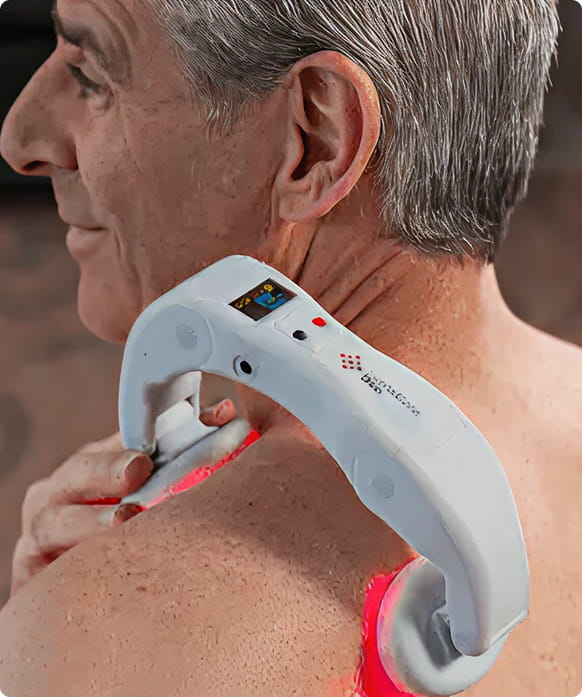
The LumaCare Duo is designed to support this type of approach by making cold laser therapy more accessible outside clinical environments. As a portable, easy-to-use device, it allows individuals to incorporate low-level laser therapy into their routine when and where it fits within a broader care plan.
The device offers flexibility. It can be used in different positions and settings, which may be helpful for people who are targeting multiple areas of discomfort over time. This adaptability is especially relevant for those managing conditions that affect multiple parts of the body, such as neuropathy or arthritis-related joint symptoms.
Within the category of at-home devices, the LumaCare Duo is often considered among the options people explore when seeking the best cold laser therapy device for pain support, particularly for its portability and usability in non-clinical settings.
Instead of requiring frequent clinic visits, the LumaCare Duo is designed to make it easier to follow provider-directed therapy schedules in a home setting. This type of access can help reduce barriers related to time, travel, or scheduling, which often affect how consistently people engage in supportive care routines.
The LumaCare Duo is intended to be part of a broader, individualized pain management strategy developed with a healthcare provider. In this context, it serves as a tool that supports ongoing care rather than replacing other medical or therapeutic approaches.
Targeted Areas for Cold Laser Therapy Use
Depending on where symptoms are experienced, cold laser therapy may be used on different areas of the body. Common application areas include:
Spinal Region
Everyday strain, posture habits, repetitive movement, injury, or medical procedures can all lead to discomfort in the upper back, neck, and shoulders. These areas are also common areas where people experience ongoing musculoskeletal pain.
Cold laser therapy is sometimes applied to these regions as part of a more comprehensive pain management plan focused on localized symptoms and day-to-day comfort.
Upper Extremities
The hands and upper limbs are frequently involved in both daily activities and repetitive tasks such as typing, lifting, or gripping. For some individuals, these areas are also affected by conditions such as arthritis or nerve-related symptoms like neuropathy.
In these cases, a care routine that addresses discomfort in areas impacted by overuse or chronic strain patterns may include cold laser therapy.
Lower Extremities
The lower extremities are commonly associated with mobility-related discomfort, particularly in individuals managing arthritis, sports injuries, or nerve-related conditions such as neuropathy. Because these areas bear weight during daily activities, symptoms often become more noticeable during activity.
Cold laser therapy is sometimes applied in these regions as part of a broader approach to supporting comfort and managing localized pain experiences.
Advanced Cold Laser Technology from LumaCare
The LumaCare Duo is a cold laser therapy device for pain relief support designed to make therapy more accessible in both home and professional settings. It focuses on usability, portability, and flexibility, making it adaptable to a variety of care routines. Rather than being complex or equipment-heavy, the device is built for straightforward operation and consistent use.
One of the main priorities in its design is making cold laser therapy more practical in everyday environments. Whether used at home or in a clinical setting, the LumaCare Duo is intended to reduce friction in how treatments are applied, with features that support ease of handling and adaptability.
Key features include:
- Simple, user-friendly operation with intuitive controls
- Dual treatment heads designed for broader application coverage
- Lightweight, compact design for easy handling and positioning
- Cordless, rechargeable functionality for greater mobility
- Adjustable settings to support different usage preferences or protocols
- Portable form factor suitable for home or clinical environments
- Cost-conscious design compared to larger therapeutic laser systems in its category
The LumaCare Duo can be integrated into existing care routines with minimal setup. It is intended to support access to cold laser therapy in a way that is flexible and adaptable to individual needs.
Frequently Asked Questions
What is low-level laser therapy?
How does an LLLT device work?
During use, the device does not produce heat, which is why it is often referred to as “cold” laser therapy. Treatments are typically applied to specific areas based on where symptoms or discomfort are being experienced, following a set routine or provider guidance.
What is cold laser therapy commonly used for?
It is also sometimes used after injuries or medical procedures as part of a broader recovery or rehabilitation plan, depending on provider recommendations.
Is cold laser therapy painful?
How long does it a cold laser therapy session take to complete?
Can I use cold laser therapy alongside other treatments for pain?
Who could benefit from exploring cold laser therapy?
What is a typical usage schedule for a cold laser device?
What makes the LumaCare Duo unique?
Can cold laser therapy devices be used at home?
Get Started with the LumaCare Duo
If you’re considering non-invasive options to complement your comfort routine, the LumaCare Duo offers adaptable use in both home and professional environments.
It is a portable cold laser therapy device intended for use as part of a broader care plan guided by a healthcare provider. It is designed to make low-level laser therapy more accessible for individuals looking to incorporate it into their existing routine.
Sources:
1https://pubmed.ncbi.nlm.nih.gov/33990113/