
If you’ve suffered from chronic or acute pain, you may have heard of laser therapy among the list of non-surgical ways of treating pain. While not as commonly known as drug therapy or surgery, cold laser therapy provides affordable, convenient pain relief.
So, what is it and how does it work? Cold laser therapy is used to treat painful conditions from mild to severe, including pain associated with arthritis, tendonitis, bunions, sprains, strains, and other inflammatory conditions through the use of low-level laser light.
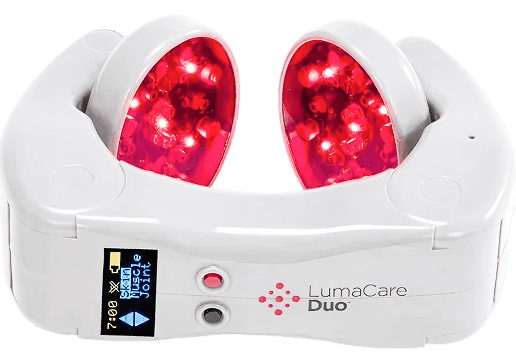
LumaCare Laser devices provide advanced therapeutic laser to treat acute injuries & chronic pain. LumaCare Duo is among the best cold laser therapy devices for treating acute and chronic pain. With its ultra-pulsed laser technology, it is powerful enough for clinical use but safe for use at home.
What Is LLLT Therapy?
Cold laser therapy, also called low-level laser therapy (LLLT), works by using laser light of various wavelengths to enhance and boost biological activity in our cells which releases natural endorphins and improves cellular energy. This reaction can decrease pain and increase blood flow to the cells of stressed tendons to improve muscle recovery.
What Does It Do?
It can quicken the healing process in wounds and damaged tissue while reducing swelling. It can also stimulate fibroblastic and osteoblastic production, accelerating bone repair.
This therapy uses dynamic photonic and thermokinetic energies through red and infrared lasers with wavelengths of 600-1000 nanometers. These lasers can penetrate the surface of the skin without burning or damaging it. Yet the light can reach deeply into tissues to heal the site of damage or injury.
LLLT is an effective way to produce an analgesic effect and accelerate healing.
Are There Side Effects to Cold Laser Therapy?
The absence of known side effects is one of the main advantages of using LLLT therapy as part of pain management or injury treatment plans. Low Level Laser therapy, however, should not be used in open wounds or to treat suspicious cancerous lesions, or on pregnant patients. As with any medical treatment, consult your physician before starting therapy on your own.