


Product Attribute
| Weight | 3 lbs |
|---|---|
| Dimensions | 12 × 10 × 4 in |
Features & Benefits:
Dual Emitter System:
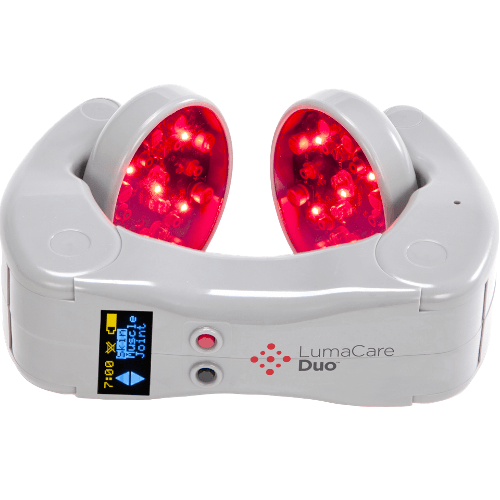
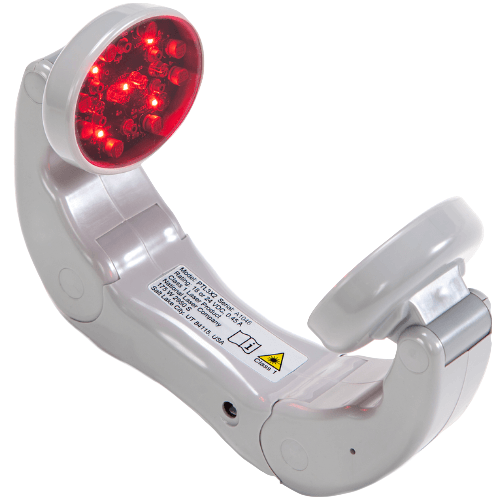
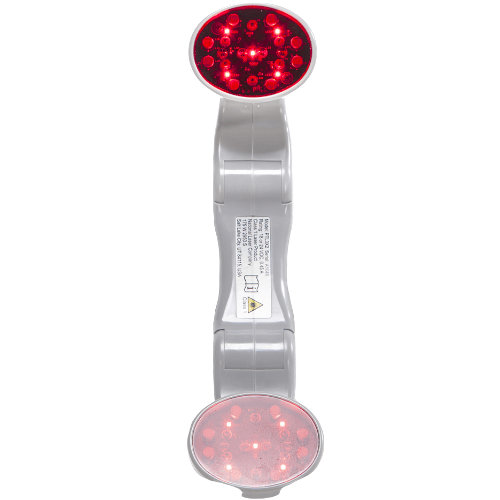
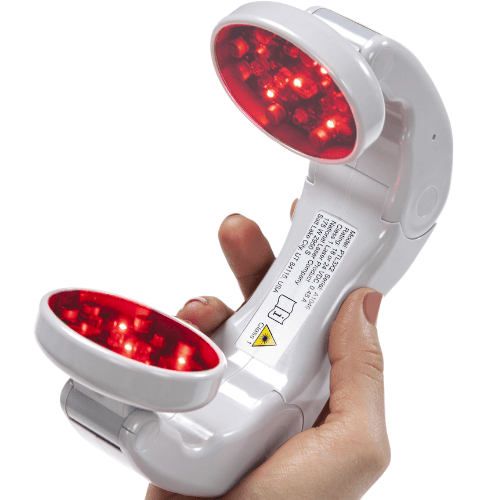
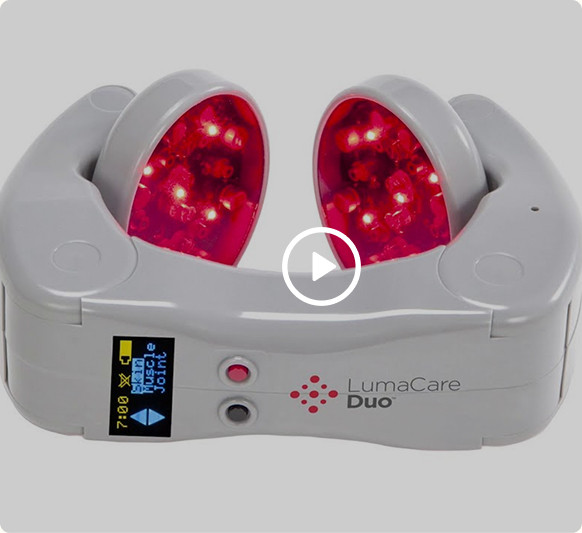
The LumaCare Duo™ stands out with its two emitter heads—double the typical LLLT systems. This innovation allows users to target pain from multiple directions simultaneously or focus on a broader treatment area.
Faster Results:
Benefit from the triple wavelength pulsing Cold Laser technology. Experience potentially quicker relief and shorter therapy sessions.
Customizable Treatment:
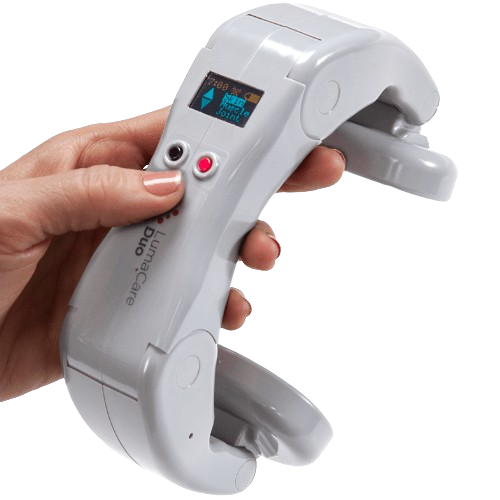
Adjust the two articulating arms and the dual rotational emitter heads to pinpoint pain in varying injury locations. Choose to use one or both emitter heads based on your needs.
Enhanced Coverage:
Direct therapeutic laser light from two angles, maximizing infrared and visible red-light coverage.
User-Friendly Design:
- Lightweight & Handheld: Designed for ease and convenience.
- Rechargeable: No need to buy batteries.
- Simple Operation: Easy to use for anyone.
- Affordable: High-quality pain relief doesn’t have to break the bank. The LumaCare Duo™ is competitively priced, making advanced laser therapy accessible for all.
Transform your pain management approach with the
LumaCare Duo™—the future of Low Level Laser Therapy.
Who Is the LumaCare Duo Designed For
Do you want a non-invasive light therapy device for at-home use as part of a wellness routine? Do you have patients who prefer supportive treatments that don’t use heat or pressure? The LumaCare Duo is intended to meet a broad spectrum of individual and provider needs in a way that complements and supports comfort and wellness. Whether you are a clinician looking to expand your treatment options or an individual ready to buy a cold laser therapy device for consistent home use, the LumaCare Duo was designed with you in mind.
Its patented dual-head design is the defining feature. Most low-level laser therapy devices for sale use a single head. With this design, treating a joint or larger area requires repositioning the head multiple times to complete treatment. The LumaCare Duo allows you to place two heads simultaneously, cutting treatment time roughly in half while improving coverage across every session.
The LumaCare Duo supports treatment across a range of clinical and personal care environments.

Acupuncture

Chiropractic

Massage

Med Spas

Home Use
Photobiomodulation Therapy Applications
Photobiomodulation describes the biological response that occurs when specific wavelengths of light interact with tissue at the cellular level. The LumaCare Duo delivers this interaction across three wavelengths intended for various tissue depths. The applications below represent the conditions and zones where this technology is most commonly applied.
Those who decide to buy an LLLT device often start with one condition in mind and find over time that the device applies across a broader range of their daily needs than they originally anticipated.
Pain Relief
Cold laser therapy is a non-invasive approach that some users incorporate into their routines. By delivering focused wavelengths, the LumaCare Duo addresses the cells and structures beneath the skin. It can be a tool for people who want to focus on the source of discomfort, not just its surface expression.
Arthritis
Arthritis involves ongoing joint inflammation that can lead to tissue degeneration that limits mobility and creates persistent daily discomfort. The LumaCare Duo is designed for home use as a non-invasive light therapy option that some users explore for joint comfort. Arthritis is a long-term condition, so a home-use device with clinical-grade output makes consistent, daily treatment more practical.
Neuropathy
Peripheral neuropathy, with its nerve-related pain, numbness, and tingling, presents a particular challenge because it is sensitive to pressure and physical stimulation. The LumaCare Duo applies light without contact pressure, heat, or vibration, making it a well-suited option for addressing nerve discomfort in the hands, feet, and other affected areas.
Recovery
Recovery from an athletic event, a demanding work week, an injury, or a surgical procedure depends on the body’s ability to repair tissue, resolve inflammation, and restore circulation to the affected area. The LumaCare Duo can be used in recovery routines as a non-contact light therapy option that doesn’t add physical stress to the body.
Sports Injury
Tendons, ligaments, and joints can be sensitive after physical activity or minor strains. The LumaCare Duo is designed for non-contact light application, making it easy to use on affected areas without pressure or heat. Its dual-head design allows coverage on both sides of a joint at once, helping you apply consistent sessions efficiently. Whether for daily wellness routines or supportive care after activity, the device offers a convenient, user-friendly option for managing your home application of light therapy.
Surgery
Post-surgical areas often require careful, non-invasive attention. The LumaCare Duo can be used without direct contact, heat, or pressure, making it suitable for incorporation into a home routine when gentle therapies are the priority. It is designed to be easy to set up, portable, and flexible, allowing users to follow guidance from healthcare providers while including light therapy as a supportive part of their overall post-surgical care routine.
Common Treatment Zones
The LumaCare Duo’s dual-head design and three-wavelength range allow it to be used effectively across the body’s major joints and soft tissue zones.
Back, Neck, and Shoulder
The back, neck, and shoulder region often carries tension or chronic pain, arising from poor posture, disc-related conditions, nerve impingement, and injuries. The LumaCare Duo’s dual-head configuration can cover both sides of the spine or a broad shoulder zone in a single placement, making treatment in this area efficient and thorough. For people managing persistent cervical or lumbar discomfort, daily sessions in this zone are a practical application of the device.
Hand, Wrist, and Elbow
The hands, wrists, and elbows are commonly affected by arthritis, overuse injuries, or nerve compression, and they are also delicate zones to treat with pressure-based tools. The LumaCare Duo applies focused light to these small, precise structures without contact, which means it can address even actively inflamed or swollen joints without the risk of aggravating sensitive tissue. For conditions like carpal tunnel, tennis elbow, or hand arthritis, consistent targeted sessions in this zone can provide meaningful support over time.

Knee, Ankle, and Foot
The knees, ankles, and feet absorb the impact of daily movement and often show wear from high-intensity activity, aging, or prior injury. The LumaCare Duo’s dual-head design is particularly efficient for concerns in this zone, as its two heads can address a joint from both sides simultaneously, reducing session time while improving the coverage of the treatment area.
Frequently Asked Questions
When comparing cold laser therapy devices, what features are most important?
Is there a quality difference between the devices clinicians use and those sold for home use?
In everyday use, what makes a dual-head cold laser device different from a single-head device?
Can a cold laser therapy device be used on more than one person in a household?
What is the expected ROI for a clinic that adds a cold laser therapy device to its practice?
The differentiation value of offering a patented dual-head device that most competing clinics do not carry can contribute to patient acquisition and long-term practice positioning in ways that are harder to quantify but are equally real.
How do you know if a cold laser therapy device is actually delivering effective output?
Devices that do not publish these specifications or that rely on marketing language rather than measurable output data are worth approaching with caution, since the visible light a device emits tells you very little about its actual clinical effectiveness.
Choosing a device developed with physician input and documented output parameters is the most reliable way to ensure you are getting a tool that performs rather than one that simply looks the part.
Is it possible to overuse a cold laser therapy device?
The appropriate treatment frequency depends on the condition being treated. Acute injuries often benefit from more frequent sessions in the early recovery phase, while chronic conditions like arthritis typically respond well to regular sessions over a sustained period. Following the device manufacturer’s guidelines for session duration and frequency per zone is the most reliable starting point, with adjustments based on individual response over time.
What wavelengths does an effective cold laser therapy device have?
A device that covers only one or two wavelengths limits your ability to address conditions at different depths, which is why a multi-wavelength device represents a meaningfully different clinical tool than a single-wavelength consumer option.
How does cold laser therapy compare to ultrasound therapy?
Cold laser therapy uses light rather than sound, produces no thermal effect, and is non-contact, which makes it appropriate for a broader range of presentations, including sensitive joints, post-surgical tissue, and patients who do not tolerate ultrasound well. The two modalities work through different mechanisms and are not directly interchangeable. Many clinicians find that they are complementary rather than competing tools within a practice.
What is the typical lifespan of a cold laser therapy device?
Ready to Get Started?
Whether you are a practitioner looking to buy a cold laser therapy machine for your clinic or an individual ready to buy an LLLT device online for daily home use, the LumaCare Duo delivers the same patented dual-head technology in both contexts.
Low-level laser therapy devices for sale vary widely in quality and design. The LumaCare Duo’s patented dual-head configuration is the standard worth measuring everything else against.