
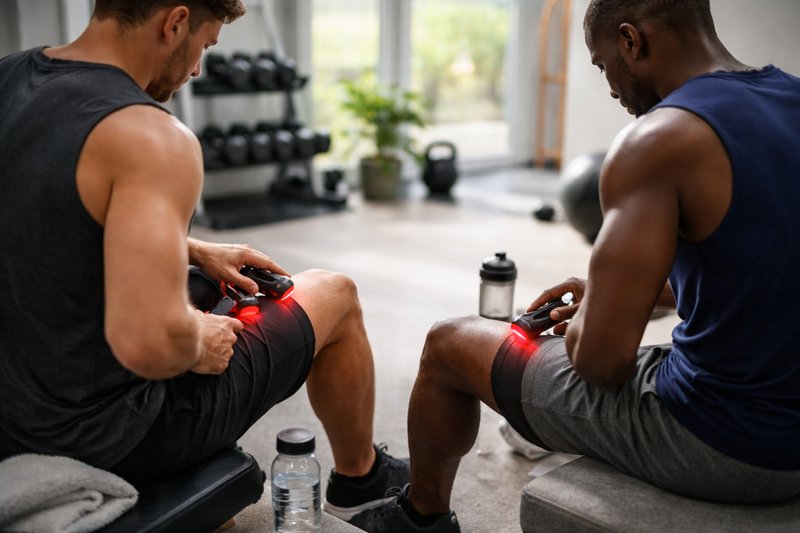
When it comes to treating athletic injuries, consistency often plays a bigger role than intensity. Your body responds to repetition patterns. Just as repeated use can cause injury, repeated efforts to recuperate and heal can set the stage for faster, more reliable recovery.
Cold laser therapy often comes up in sports recovery conversations because it fits easily into sports routines that emphasize steady support rather than intense, one-time fixes. But as with any treatment, consistency can vary. It’s all up to you. You can use it every day, or only occasionally. So how often should you use your professional-grade LLLT device?
Neither approach exists in isolation from the rest of your routine. The key lies in matching frequency to your training load, recovery goals, and personal preferences. Don’t treat recovery as an afterthought. Plan your use frequency ahead of time and diligently follow through.
The Benefits of Daily Use
Daily cold laser therapy often appeals to athletes who train consistently. With repeated workouts comes repeated stress. This stress can cause sports injuries. In cases like these, steady recovery habits help maintain balance.
Consistent treatment aligns well with long-term training plans. Regular light-based therapy sessions allow recovery support to become part of your routine rather than a response to soreness. When recovery practices stay consistent, your routine feels easier to manage. That ease matters when training already demands time and focus.
The Benefits of Occasional Use
Occasional use tends to address more immediate needs than daily use does. You might use your cold laser therapy device for pain relief after a particularly intense workout or competition.
This approach focuses on addressing short-term needs rather than maintaining ongoing support. For some athletes, this feels more practical and flexible than everyday use.
Occasional use may also suit periods of lighter training or transition phases. When your schedule changes or training volume drops, recovery needs often shift as well. You might not need it as frequently as you do during more regular training.
Consistency and the Recovery Environment
Sports recovery involves more than muscles alone. Circulation, tissue awareness, posture, and general conditions all contribute to how you feel.
Consistent recovery practices help your body in all these areas within your routine. When you apply recovery tools regularly, they become part of how your body resets. This reset supports smoother transitions between training days.
Consistency is part of what makes daily cold laser therapy so helpful. Recovery works best when it supports your body continuously rather than sporadically.
While occasional use may offer short-term comfort, it does not provide the same continuity as daily use. It can still be helpful, but it is more reactive than supportive.
Balancing Cold Laser Therapy With Other Recovery Tools
The best cold laser therapy devices for sports injuries shouldn’t stand alone in your recovery toolbox. You’ll want to combine it with rest days, movement work, hydration, sleep, and medical attention as needed.
Daily use often pairs well with these other habits because it reinforces consistency across your routine. Each element supports the others, building a lifestyle of athletic wellness.
Occasional use may fit better when recovery tools rotate based on need. If your routine changes week to week, you may need more flexibility. Choosing when to use cold laser therapy based on training demands can help recovery feel more manageable.
Your individual balance depends on how structured your training plan is. Athletes with consistent schedules often benefit from consistent recovery, while those with variable schedules may need fully adaptable approaches.
Why Athletes Tend to Prefer Consistent Use
Many athletes lean toward consistent, daily use because it supports maintenance rather than repair. It offers steady support alongside training. A more frequent approach to cold laser therapy emphasizes prevention and balance.
Daily use also simplifies decision-making. When you have a set schedule for each recovery effort, your routine stays regular. A consistent routine frees up mental energy for training and performance.
While occasional use has its place, consistent application often aligns more closely with long-term athletic goals.
Questions to Ask When Choosing Frequency
Before deciding on daily or occasional use, reflect on your routine and your goals. Your recovery routine should serve your training, not complicate it.
You may want to think about questions such as:
- How consistent is your training schedule week to week?
- Are there times when recovery is more critical, such as post-workout vs. rest days?
- How much time do you realistically have to dedicate to recovery each day?
- Do you prefer routine or flexibility in recovery habits?
- Are you supporting ongoing training or responding to specific events or injuries?
Find the Right Rhythm for Your Recovery
Choosing between daily and occasional cold laser therapy comes down to rhythm. Your body responds best when recovery practices match training demands and personal habits. Daily use offers structure and continuity, while occasional use provides flexibility.
There is no universal schedule that fits every athlete. Pay attention to how your body feels over time. Let your recovery evolve alongside your training. Integrate cold laser therapy into your sports recovery in a way that stays supportive and sustainable.