
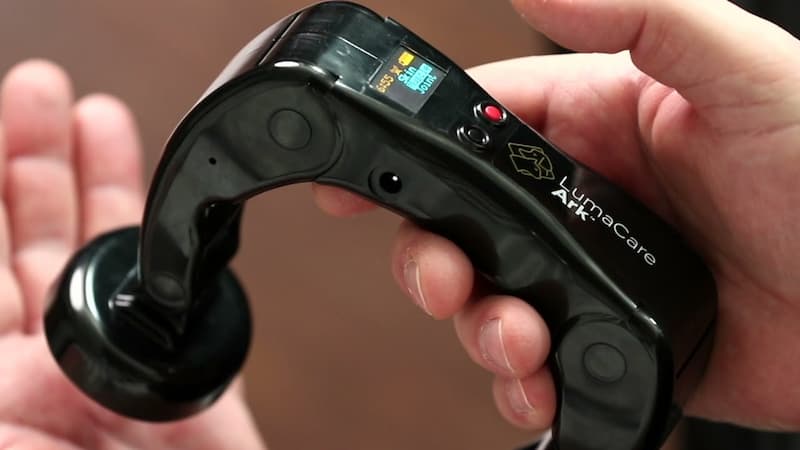
One of the first questions that often comes up when individuals start exploring new recovery tools is how it can fit into your existing wellness routine. If you’re looking to buy a cold laser therapy machine, you might worry that it could conflict with other methods you are using.
Fortunately, cold laser therapy tends to complement rather than clash with other wellness tools. You likely don’t need to adjust your entire routine to use it. That’s why more and more people are incorporating it into their daily wellness practices.
Here’s what you need to know about using a cold laser therapy device alongside other tools and how to integrate it cleanly into your routine.
Cold Laser Therapy Works With Your Body
Cold laser therapy works by using low-level light energy to stimulate natural cellular processes. This is what gives it its other name, low-level laser therapy (LLLT). Instead of applying force or heat, the device delivers specific wavelengths of light that penetrate the skin to reach underlying tissue. This can support the body’s natural healing process.
Cold laser therapy doesn’t directly stimulate your nervous system or your muscles. So you can add cold laser therapy to a wellness routine that includes mobility work, compression boots, or infrared sauna sessions. They work differently and offer two different approaches: external and tissue level.
Because cold laser therapy doesn’t create physical stress, you can typically use it alongside other tools without adding significant physical strain. It doesn’t put extra pressure on muscles that are already tender from physical methods.
Can You Combine Cold Laser Therapy With Massage or Bodywork?
LLLT and bodywork can be used together to support wellness and recovery. You can use cold laser therapy before or after massage, manual therapy, or stretching sessions. In fact, some providers purchase a professional cold laser therapy device for their massage clinics.
Massage can help increase circulation and loosen tissue. Cold laser therapy is often used to support the body’s natural recovery process, which may help support recovery in areas that are harder to reach with hands-on methods.
Massage and cold laser therapy are often a complementary pair. For example, you could use cold laser therapy on joints or tendons while reserving massage for muscle tissue. This combination allows you to address the entire area more comprehensively.
The bottom line is that massage and cold laser therapy work together. They don’t compete, and you don’t need to pick one or the other. Depending on the issues you want to address, combining the two can be a smart move.
The Difference Between Cold Laser Therapy and Red Light Therapy
At first glance, red light therapy and cold laser therapy may seem like the same treatment. Both methods use light, after all. But don’t get the two mixed up.
Red light panels cover broad areas of the body and may feel slightly warm. They’re commonly used in routines focused on circulation and skin health rather than addressing chronic pain or supporting surgical recovery.
Cold laser devices target smaller, more specific areas with a laser and typically use specific wavelengths that target deeper tissue levels than red light therapy does. It creates little to no sensation during use.
If you already use a red light therapy panel for general wellness, adding cold laser therapy lets you zoom in on areas that need more targeted support. Because they work differently, you may choose to use red light therapy in the morning and cold laser therapy later in the day, or vice versa, depending on what works best for your routine.
Using Cold Laser Therapy Alongside Heat or Ice
Alternating hot and cold therapy is a time-tested recovery method. Ice helps control swelling. Heat loosens tissue and promotes blood flow. Despite its name, cold laser therapy works differently. It works at the tissue level without changing surface temperature.
As a result, you can use cold laser therapy after an ice pack or before a heat session. This balanced usage can give the area some support before and after introducing temperature-based stimuli.
Using cold laser therapy alongside ice and heat is generally acceptable because these approaches don’t conflict with each other. This makes the combined approach a useful option to help manage swelling while still supporting natural recovery processes happening beneath the surface.
Should You Use Cold Laser Therapy Before or After a Workout?
If your goal is performance, cold laser therapy typically fits best after your workout or on rest days. It is not designed to stimulate the nervous system or improve short-term performance like a warm-up tool.
But if you’ve been dealing with joint soreness or tendon sensitivity, cold laser therapy can support your post-exercise recovery. Think of it as an offload rather than a stimulant. Use it after workouts or during downtime when your body is more receptive to recovery-oriented work. That’s when it tends to deliver the most support to your body.
What to Watch For When Combining Tools
While cold laser therapy can be combined with other recovery methods in many routines, it’s smart to pay attention to timing and overlap. You don’t want to overdo it, even with low-impact methods.
To help everything work together, consider:
- Spacing out sessions if you’re using multiple tools in one day. Give your body time to respond.
- Tracking how your body feels after combinations. Some people benefit more from alternating days rather than stacking everything.
- Avoiding back-to-back use of tools on irritated skin or areas with existing sensitivity.
Cold laser therapy is generally considered gentle. But, you need to listen to what your body tells you. More isn’t always better. Tailor your recovery routine to your needs and preferences to get the most out of every method.
Building a Recovery Routine That Works Together
Many tools in the wellness space get marketed as replacements for one another. But you don’t need to choose between cold laser therapy and everything else. It doesn’t try to be a catch-all solution. Instead, it adds support and fills in the gaps where other tools may not reach.
That’s why it can integrate well with what you already do. When used intentionally, each method can work together to help you feel better and stay more consistent with your self-care.
Let each tool do what it does best and make your recovery routine smarter. Don’t be afraid to fit cold laser therapy into that routine. You may be surprised how easily it fits into your routine.