
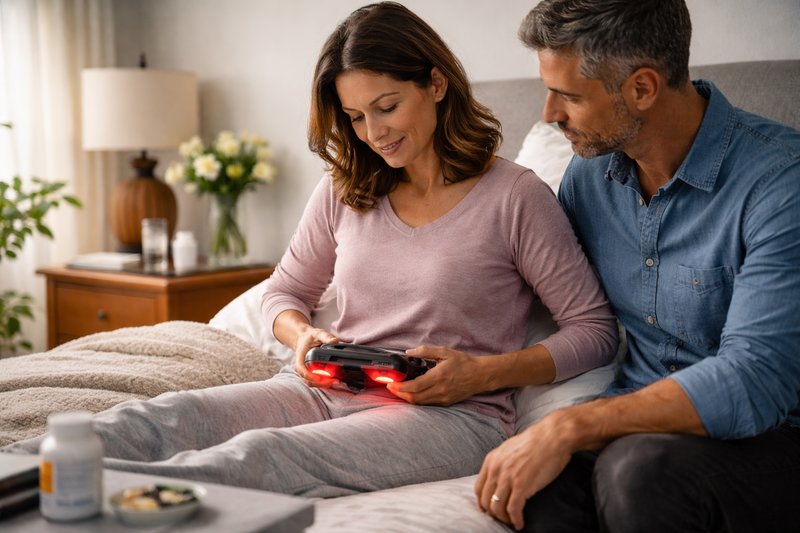
After surgery, comfort becomes a daily priority. Your body is adjusting to changes, and even small sensations can feel amplified. Because of this sensitivity, it makes sense to ask whether adding a low-level laser therapy device could cause discomfort.
The short answer is no. Post-surgical care often focuses on minimizing stress on the area while supporting natural healing processes. Treatments that feel gentle and predictable tend to fit best with this recovery plan, including low-level laser therapy (LLLT).
When comfort guides your decisions, you are more likely to stay consistent with supportive routines. Consistency matters during recovery, and comfort plays a major role in maintaining it.
What Makes Low-Level Laser Therapy Gentle
Low-level laser therapy delivers targeted light into your tissues, where it interacts with cells and the surrounding structures. The light penetrates multiple layers of skin and soft tissue, providing energy that may influence cellular activity, circulation, and local metabolism.
Unlike treatments that use heat, pressure, or physical manipulation, it doesn’t add extra stress to muscles or joints. This noninvasive approach keeps the experience comfortable and predictable, which is especially important after surgery. The goal is to support recovery, not challenge it. When used as directed, an LLLT machine for post-surgical care does just that.
This gentleness also supports confidence in your recovery. When you know an approach is unlikely to cause discomfort, it becomes easier to include it consistently.
Typical Sensations During Use
Most people report little to no sensation during low-level laser therapy sessions. Even when used on sensitive areas, the process usually feels completely neutral.
Of course, you may feel the device resting near your skin, but the light itself typically does not create a physical sensation. Knowing this ahead of time helps you avoid surprises, especially if the term “laser” makes you expect warmth or tingling.
When you don’t notice a change, you may be concerned that the device isn’t working as it should. This subtlety is intentional, so don’t worry. The lack of sensation is a defining characteristic of the technology and is where its alternate name, cold laser therapy, comes from. It doesn’t mean it’s not working. It just indicates that the light works beneath the surface.
Because the machine does not demand your attention, many people find it easy to relax during sessions. This is especially relevant if you have a home-friendly LLLT device. You don’t have the anxiety of an appointment or the strain of a painful treatment. You can sit back and relax while the laser does its work.
How Timing Influences Comfort After Surgery
Timing plays a vital role in comfort. Immediately after surgery, the area may be especially sensitive. Even though cold laser therapy doesn’t produce sensation, many people wait until the initial swelling and tenderness have settled before adding supportive therapies.
By waiting, you give your body time to stabilize. Once sensitivity decreases, the light-based approach often becomes easier and more comfortable to incorporate into your daily care.
Pay attention to how you feel day by day. Incorporate new methods, such as LLLT, only when you feel ready. Your comfort will improve when treatment timing matches your body’s natural recovery pace.
Common Concerns About Discomfort and Sensitivity
It is normal to worry that any new treatment could irritate the surgical site or cause delayed discomfort. People sometimes wonder if they will feel soreness later in the day. With low-level laser therapy, these concerns usually come from uncertainty rather than experience.
Most users do not report soreness, burning, or other lingering sensations during or after sessions. You can rest easy knowing that any concerns about irritation lack real evidence. Your LLLT treatment should not cause you any additional pain to work effectively.
Why Following Directions and Guidance Matters
As with any treatment, using a low-level laser therapy machine as directed is key to maintaining comfort and properly aiding in the healing process.
Follow the device’s directions regarding placement, session length, frequency, and any other operations. The instructions are there to keep your experience gentle and safe.
Professional guidance is also valuable, especially after surgery. Your care provider understands your recovery timeline and can help you decide when to introduce supportive approaches. You don’t need to rely on trial and error. Instead, you can seek reassuring guidance that supports your recovery.
What to Watch for When Evaluating Your Experience
As you evaluate how low-level laser therapy fits into your recovery, focus on overall comfort rather than isolated moments. You do not need to analyze every session. Observing patterns over time gives you more useful insight.
Pay attention to whether sessions feel easy to complete and whether they integrate smoothly into your day. The absence of discomfort, both mental and physical, often serves as the clearest indicator that your timing and use are appropriate.
Stay aware without overthinking. Recovery works best when you allow space for gradual progress rather than constant evaluation.
Create a Confident and Comfortable Recovery Environment
If you’re ready to take the next step in post-surgical care, it’s time to consider low-level laser therapy. It can provide the extra, gentle support you need to create the best healing environment for yourself.
Recovery after surgery doesn’t have to be stressful. Confidence in your recovery routine comes from understanding what to expect. And now you know that you can expect a gentle, supportive experience with low-level laser therapy.