When you read about cold laser therapy, you’ll see references to cells and cellular activity. But you might not see a clear explanation of what it all really means. You may know that lasers can interact with your cells to help them heal, but how? Can light even do that? Yes, it can. You don’t feel this process, but cold laser therapy can be surprisingly effective for helping with pain. The experience isn’t meant to create noticeable sensations. It relies on controlled interactions between light and cells that occur quietly beneath the surface. We’ll walk you through the basic scientific process of what’s happening with your cells when you use a cold laser therapy device for pain relief or other ailments.
Simple Ways to Think About Cellular Interaction
You don’t need advanced biology knowledge to grasp the basic interaction of cold laser therapy. Try thinking of cells as small systems that respond to information from their environment. Light is one form of information they can recognize. When it reaches them, they respond through the natural processes they already have in place. Another way to think about it is in terms of energy use. Cells constantly manage energy to function. Under the right conditions, light can serve as an external energy source that cells can absorb. That absorption fits into patterns the body already understands, stimulating the cells’ activity. These comparisons aren’t perfect, but they make the concept easier to approach.
What Happens When the Light Reaches Your Skin
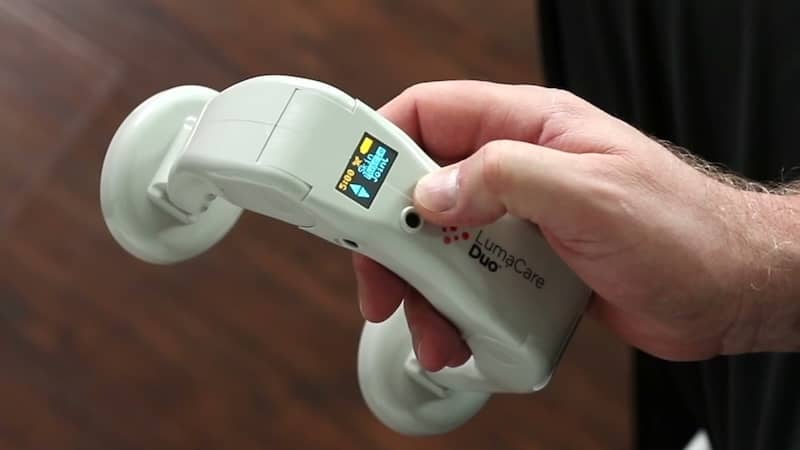
When you apply light from a single- or dual-head cold laser therapy device to your skin, it doesn’t stop at the surface. Specific wavelengths of light, such as those emitted by your laser device, can pass through the outer layers and reach the tissue below. This allows the light to interact with cells rather than reflecting away. From the outside, very little appears to be happening. That lack of sensation might make you fear it isn’t working, but don’t worry. The interaction takes place internally. There are no physical sensations or applications involved. It’s just light energy delivered in a controlled way. Your cells contain structures that respond to energy input. When light reaches these structures, they absorb it. This absorption forms the foundation of how cold laser therapy works.
How Cells Respond to Light Energy
Cells function through a series of chemical and energy-driven processes. They naturally respond to different forms of input from their environment, including light. When cells absorb light from a cold laser device, that energy interacts with systems already in place, particularly those involved in energy production and cellular signaling. Rather than forcing a reaction, the light acts more like a cue. It supports normal cellular activity by giving cells usable energy that fits into their existing pathways. This may help cells carry out routine functions more efficiently without overriding their natural behavior. Because these interactions occur at the cellular level, you don’t feel them happening. The effects aren’t about heat or pressure, but about subtle biological activity inside the tissue. Cold laser therapy works quietly, supporting processes your cells already know how to perform.
The Effect of Light Wavelength
As mentioned above, not all light interacts with the body in the same way. Wavelength plays a vital role in determining whether your cells absorb, reflect, or scatter the light. Cold laser therapy uses specific wavelengths chosen for their ability to reach tissue and interact with cells. A multi-wavelength cold laser therapy machine uses many of these compatible wavelengths to maximize exposure. By using specific wavelengths, cold laser light can travel farther into tissue. That’s what separates it from everyday visible light sources. Cold laser therapy is precise, not random. The process depends on physical principles as much as biological ones.
Different From Heat or Pressure
Many approaches to combating pain rely on heat or pressure to manipulate tissue. Although heat can promote healing, it’s often uncomfortable. It also forces your cells to react to temperature changes rather than their natural processes. And compression usually makes the pain worse, long before it gets better. Cold laser therapy works differently. Rather than working through physical force, cold laser light reaches beneath the skin to interact directly with cells. For you, that means the process can easily fit into daily routines. There’s no pain to recover from and no intensity to manage. The cellular interaction happens quietly and non-invasively.
What This Means for Your Expectations
Understanding how cold laser light interacts with cells helps set realistic expectations. You’re not meant to feel immediate changes or intense sensations, so don’t be disappointed or confused. Remember to be patient. Cellular activity takes time and can vary from person to person. Even though you don’t notice the effects of cold laser therapy right away, it’s still working. And it’s working on a deeper, more natural level than just about any other easily-accessible method can. With cold laser therapy, you find personal relief through innovation.
Video