
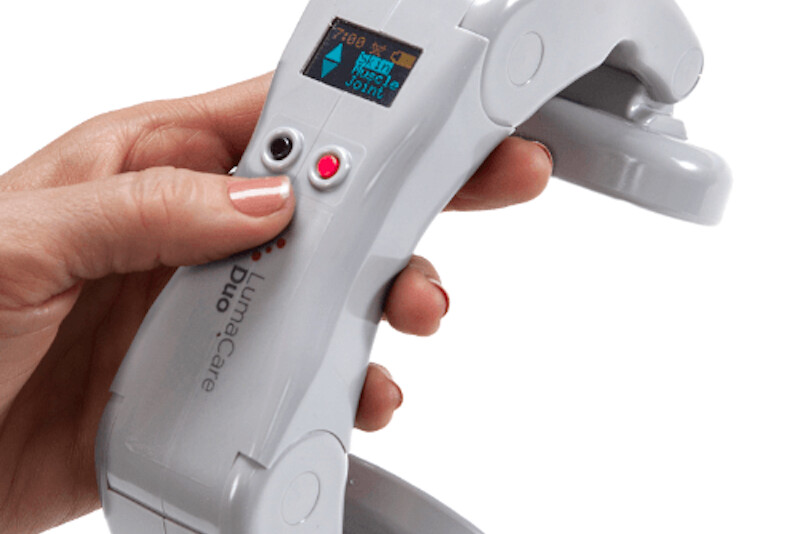
Are you looking for personal low level laser therapy devices? If you’re not familiar with how laser devices are categorized, terms like “Grade 1 laser” can throw you off. It can make the device sound more complicated and technical than it actually is.
Laser classifications for low level laser therapy (LLLT) provide a standardized way to group lasers based on established safety and exposure guidelines. They’re based on consistent facts rather than on marketing claims or perceived intensity.
For you as a consumer, laser grades serve as neutral reference points for comparing devices at a glance. You don’t need to try to interpret vague descriptions of results or how the device feels. Instead, you can rely on the classification to understand how a device fits within recognized parameters.
How Laser Grades Differ From One Another
Laser grades span a range of classifications. Different exposure thresholds and safety considerations define each one. As classification increases, so do the requirements for training or protective measures, as well as the complexity of use. For example, a Grade 1 laser is a consumer-friendly device you could buy without being a medical professional.
These grade distinctions exist to ensure lasers are used appropriately in their intended environments. Using a high-grade laser requires professional skill and safeguards. When used in the wrong setting or the wrong way, they can be dangerous. However, they can be extremely useful in Industrial, research, and other tightly controlled settings.
Lower-grade lasers, like Grade 1 lasers, require far fewer regulations to use safely. You typically don’t need special skills or training to use them. As a result, they can suit more casual settings. These low level lasers are usually the best cold laser therapy devices for med spas, chiropractors, acupuncturists, massage clinics, or even home use.
When it comes to lasers, higher grades do not automatically mean higher performance. Laser grading isn’t a measure of quality or results. It’s a safety-based system meant to guide appropriate use.
What is a Grade 1 Laser?
A Grade 1 laser is considered safe to use under normal conditions. In simple terms, the laser’s output stays well within established safety limits, so there’s no need for special eye protection or controlled environments. These devices are built to be safe for everyday use.
It’s also helpful to know what the Class 1 label does not mean. It refers only to safety, not effectiveness or how the device feels during use. A laser doesn’t need to produce heat, pressure, or a noticeable sensation to be useful. Many therapeutic devices work quietly in the background without you feeling much at all.
Because of these safety features, consumer and home-friendly LLLT devices usually fall into this classification. Design elements like protective housings or reduced exposure ensure the laser stays within safe limits, making these devices easy to use as part of a regular routine.
Why Grades Matter When You’re Comparing Devices
When you’re evaluating light-based devices, keep the laser grade in mind. Grades offer insight into the device’s intended use and the safety considerations built into its design. The higher the grade, the more complicated the laser is to use. This knowledge can make it much easier to find the LLLT device you’re looking for.
A Grade 1 laser indicates that simplicity and consistency are part of its design. Do you want a personal device that you can use anytime, without any special preparation or precautions? Then a Grade 1 cold laser device may be the way to go. You don’t need to take extra steps or have trained help. You can use it by yourself on your own time.
When you understand laser grade, you can also shift your focus toward more practical questions. Rather than getting caught up in technical language, you can consider whether the device fits your routine and comfort level.
Setting Realistic Expectations
When you see “Grade 1” listed on a device, it helps to treat it as context, not a promise. The designation explains how the laser is regulated from a safety standpoint, not how quickly you’ll notice results or what the experience will feel like during use.
This is where expectations can drift. It’s easy to assume that a higher classification means stronger results, or that a safer classification means limited capability. In reality, laser class doesn’t predict outcomes or timelines. It simply defines the conditions under which it can be safely used.
A more useful way to interpret the label is as a practical cue. It tells you the device is designed for regular, unsupervised use without special precautions. Effectiveness depends on factors like treatment consistency, application area, and the overall design of the device.
Keep your comparisons grounded. Don’t read too much into the term “Grade 1” and assign it a meaning that it doesn’t actually carry. Rather than making the laser’s grade a defining factor, treat it like a clarifying detail. It’s one piece of information that helps you evaluate low level laser therapy devices for sale.
Find the Device That’s Right For You
Using laser classification information effectively means keeping your search for LLLT devices in context. You can use this understanding to align your choices with what matters most to you.
If you’re treating chronic pain or a sports injury, you could schedule an appointment for a higher-grade laser treatment in a controlled treatment setting. But if you prefer tools that are gentle, routine-friendly, and clearly categorized for everyday use, you may want to consider purchasing your own low level laser device.
How you progress towards comfort is up to you. You get to choose what methods you want to use. Sometimes that can be intimidating, but now that you understand laser grades, you may find the decisions just a little bit clearer to make.