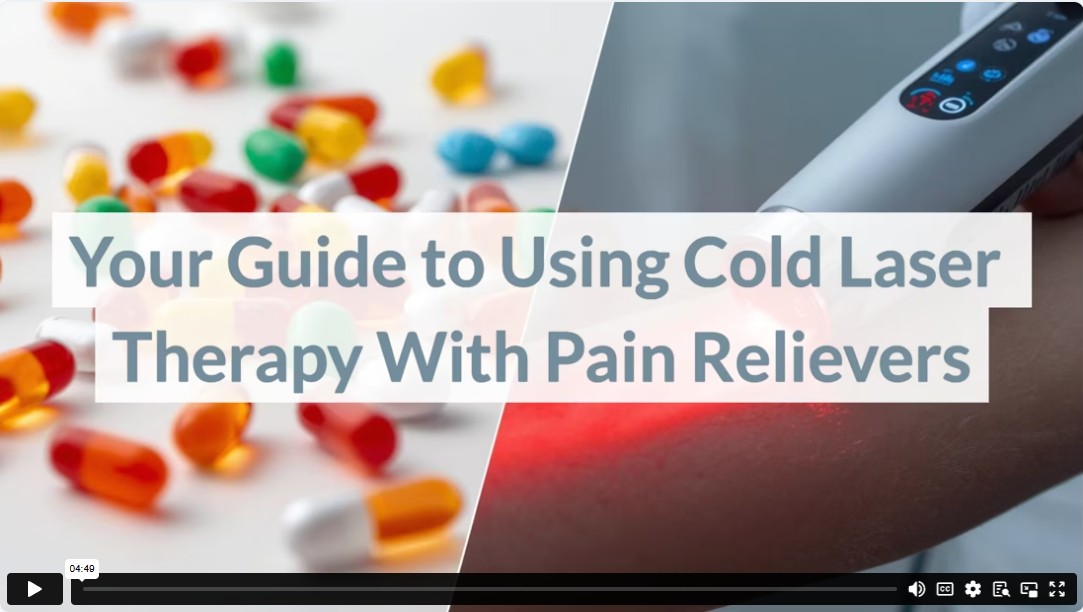
When you are managing discomfort, finding solutions can be tiring. You might feel like your pain never entirely goes away, no matter what method you try. That’s why many people end up using more than one approach at the same time.
While pain relievers are often part of the conversation because they help manage symptoms and make movement or rest more comfortable, it’s not your only option. Cold laser therapy devices for arthritis pain, surgical discomfort, or lingering pain after an injury is a non-invasive option that works through light.
Due to the differences in the way these two pain relief methods work, they are complementary rather than overlapping. When used thoughtfully, both tools can fit into a broader routine that approaches comfort from multiple angles.
How Pain Relievers and Cold Laser Therapy Work Differently
Pain relievers reduce discomfort so you can go about your day more easily. Depending on the type, they may help dull pain signals or reduce inflammation. Their effects are usually noticeable within a predictable timeframe, which makes them easy to manage. You often take them according to a schedule or as needed.
Cold laser therapy works by delivering light to specific areas of the body. A dual-head cold laser therapy device approaches the spot from two sides, maximizing exposure. The light interacts with tissue without heat or pressure, supporting natural cellular processes. This experience tends to feel subtle rather than producing immediate sensation. It often works best as a supportive addition to recovery routines.
In general, pain relievers typically focus on symptom control, while cold laser therapy supports circulation and cellular activity. The difference in experience highlights why people rarely compare the two directly.
Why Use Them Together?
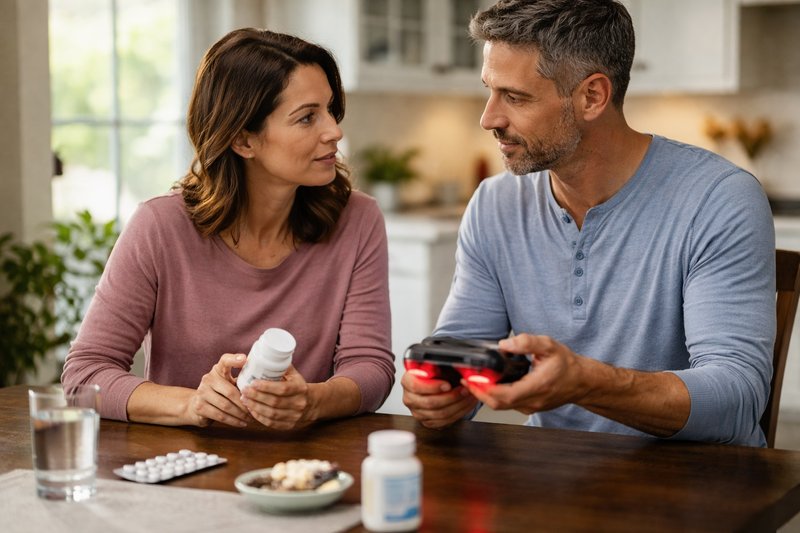
Many people combine cold laser therapy with pain relievers to manage discomfort while supporting long-term recovery. Pain relievers can help make daily activities more manageable, while cold laser therapy can be incorporated into a consistent routine that promotes gradual healing. One approach focuses on immediate comfort, and the other supports recovery over time.
This combination is especially useful during periods of heightened discomfort, such as after intense physical activity, injury, or surgery. Medication can help you stay functional day to day, while cold laser therapy provides a gentle, supportive addition to your overall recovery plan.
The key is intentional use. When you understand the role of each, you can integrate both strategies without replacing one with the other. You can tailor your approach to your daily needs.
Common Misconceptions About Combining Approaches
Cold Laser Therapy Replaces Pain Relievers
Pain medications and cold laser treatments are two approaches to relieving pain. They work in different ways, so don’t expect one to take over the job of another. View them as separate tools with separate roles. This view helps keep your expectations realistic and helps you avoid frustration or disappointment.
Using Cold Laser Therapy and Pain Relievers Will Speed Up Recovery
Recovery depends on many factors, including rest, movement, and overall health. You need to address them all for the best shot at a fast recovery. Cold laser therapy and pain relievers are two parts of a larger picture, not shortcuts.
Important Considerations When Using Both
When you combine cold laser therapy with pain relievers, attention to guidelines matters.
For your safety, you should always take pain medications as directed, whether over-the-counter or prescribed. The same goes for cold laser therapy. Find the best cold laser therapy device for pain and use it as directed to ensure a comfortable experience.
It is also important to consider professional guidance. If you are managing ongoing conditions or taking prescription medications, check in with a healthcare professional regularly. They’ll help you make sure that everything works together safely. You don’t have to be uncertain about combining approaches.
Results can vary from person to person, so it’s important to treat your recovery journey as personal. Adjust the timing and combination of your routine to fit your body and lifestyle, and pay attention to what works best for you.
How to Decide What Works Best for You
The best treatment for you depends on your comfort level and goals. Remember that both pain relief medications and cold laser treatments are distinct and serve different purposes. Seek to understand to how each approach supports you and seek guidance from professionals to help you choose.
It helps to pay attention to how your body responds to each treatment method over time. Observe patterns rather than overanalyze the details of single moments. The long-term changes give you a better sense of what feels truly supportive to you.
Your routine works best when it aligns with your needs rather than expectations. Stay flexible and adjust as circumstances change. Forge your routine with intent, not in reaction, and you’ll find a path towards comfort and recovery that fits your life and goals.
Video