
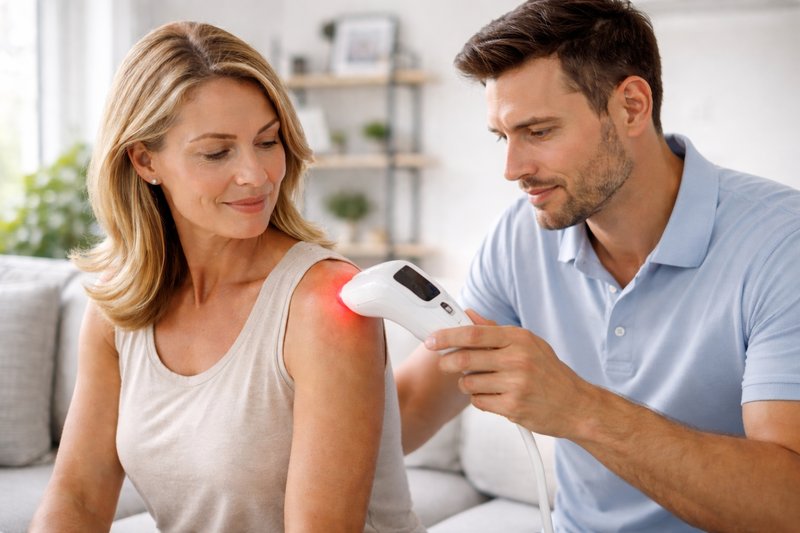
In your search for pain relief and wellness, you may have come across cold laser therapy, but without much explanation of what it actually is. The word “laser” often brings to mind intense heat, while “cold” seems to suggest the opposite, making the term confusing at first glance. So what exactly is cold laser therapy, and what makes it a unique option in the broader wellness conversation?
Much of the interest in professional cold laser therapy devices comes from their reputation as a gentler approach to pain relief. Compared to many chronic pain treatments, cold laser therapy is highly controlled and non-invasive, making it appealing to those who want to address discomfort without surgery, injections, or extended downtime. It allows people to pursue relief without placing additional physical strain on the body.
Whether you’re managing ongoing symptoms or recovering from an injury, understanding how this option fits into your life is just as important as what it claims to do. You need to determine if cold laser therapy is appropriate for you and what role it can realistically play in your care.
How Cold Laser Therapy Works on a Basic Level
Cold laser therapy directs focused light of specific wavelengths into targeted areas of the body. The light passes through the skin and reaches cells in the underlying tissue without causing damage or heat.
At a basic level, the laser supports normal processes of cellular energy production, circulation, and tissue function. Instead of forcing the body to respond, cold laser therapy aims to create conditions that allow your body’s existing repair and regulation systems to operate more effectively.
During treatment, you position a low-level laser therapy device over the area you want to address. Your individual needs and goals determine the best wavelength to use and the duration of your treatments.
To you, the process is passive and uneventful. You remain still while applying the light, with little to no noticeable sensation. However, on the inside, your cells are active, working to heal and relieve your pain.
Why It’s “Cold”
Heat-based tools rely on warming tissue to increase circulation or loosen muscles. Although this can be effective, it often leaves you with lingering sensitivity and redness for minutes or even hours afterward. Cold laser therapy works without heating, making it “cold,” even though it doesn’t actually affect temperature at all. It simply uses the power of light.
If heated methods cause discomfort or if you prefer not to apply warmth to certain areas, cold laser therapy may be the treatment you’re looking for. You can easily use the device at any time and immediately return to normal activities without waiting for your skin or muscles to cool down.
Why Light-Based Therapy Feels Different From Traditional Options
Most pain-relief and recovery tools work by applying force or heat. You stretch, compress, warm, ice, or stimulate an area and take medication, hoping that your body responds. Sometimes these treatments can even make the pain worse.
Cold laser therapy takes a different approach. The light does not cut tissue, burn the skin, trigger nerve signals, or bruise over time. It simply delivers light energy in a controlled way, allowing your body to use it as needed.
You don’t feel heat or tingling during or after a session. You don’t need to worry about an uncomfortable or aggressive treatment for your already uncomfortable condition. There’s no need to heal from a damaging procedure that was supposed to heal you in the first place.
The goal with cold laser therapy isn’t to force immediate and unnatural relief. Instead, the device delivers specific wavelengths of light that interact with tissue beneath the skin, promoting long-term healing and recovery.
How Cold Laser Therapy Fits Into Wellness Conversations
Many people explore cold laser therapy for ongoing concerns like joint stiffness, muscle tightness, discomfort from repetitive motion, and other chronic pain. In these situations, a one-time fix is just not realistic. You need something that targets and rejuvenates specific areas of the body without adding strain.
One of the most appealing aspects of cold laser therapy is its ease of use and consistency. You place the device, run the session, and move on with your day. You don’t have to schedule appointments because, with the right device, you can do your treatments at home when it’s convenient. And because sessions don’t require recovery time, you can use the device before work, after activity, or while kicking back for a quiet moment at home.
Once you find the best cold laser therapy device for home use, healing is in your hands. You stay fully in control of the session, with no repeated and anxious doctor visits. Your experience remains predictable and unobtrusive from start to finish.
Choose the Treatment That’s Right For You
Would you prefer a treatment in your own hands? How could you incorporate this into your daily life? Have you tried other treatments that just haven’t worked? Are you worried about invasive treatments?
When weighing the options, remember that you can’t rely on universal claims. Stories you hear can offer insight into how people use the technology, but your experience may differ. Keeping that perspective ensures you remain grounded and realistic as you explore your options.
Ultimately, you should choose what you believe is right, based on your own experience and research. Chronic pain is real, and it can be exhausting and frustrating. Don’t let the treatment become a part of that. Choose comfort and ease for yourself.