
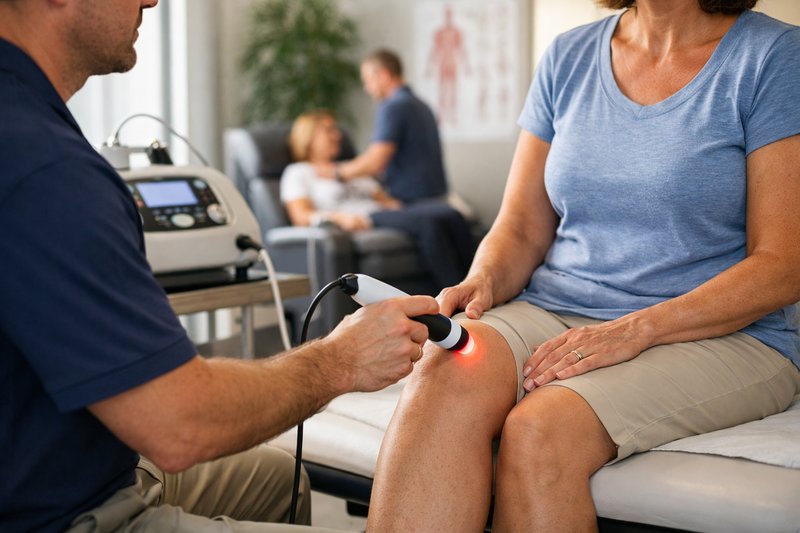
When you sit down for a cold laser therapy session for the first time, you may be surprised to feel absolutely nothing at all. The light works quietly and unobtrusively, without heat, pressure, or vibration. Because the sensation is minimal, you might wonder whether anything is even happening. Are you wasting your time on a treatment that isn’t actually working? These concerns are completely normal. Cold laser therapy works beneath the surface, quietly supporting your body without obvious physical signals. Once you understand why this is the case and what to expect, you can rest assured knowing that the treatment is truly helping your body.
Why the Experience Feels Subtle
Cold laser therapy focuses on the interaction of light with your cells rather than physical stimulation. Many approaches to treating arthritis and other areas of pain often involve stretching, heating or cooling, and manual pressure. A professional cold laser therapy device for arthritis, on the other hand, operates without dramatically engaging your senses. It lacks sensation because the light targets the cells directly, stimulating their natural healing processes. You may associate effectiveness with noticeable sensations because many wellness methods rely on feedback like warmth or tension release. Cold laser therapy takes a quieter approach, which can feel unfamiliar at first. If you’re concerned about the effectiveness of the session, that unfamiliarity may be the cause.
Prioritizing Ease and Comfort
You may wonder whether you should feel warmth, tingling, or pressure during a session. The absence of discomfort or intensity is a defining characteristic of cold laser therapy, not a limitation. Subtly is part of the process. It doesn’t mean the treatment isn’t working, but rather that it’s supposed to be gentle and non-invasive. Another common question involves after-effects. You typically do not need recovery time or special care following cold laser therapy. The lack of recovery time makes it simpler to include sessions in your routine without planning around them. Comfort remains a central feature of the experience before, during, and after. If you ever feel unsure about the treatment’s effectiveness, pay attention to how your body feels over time rather than focusing on immediate results. Observing patterns in pain reduction rather than isolated moments helps you make sense of subtle approaches, such as this one.
What People Commonly Report After a Session
After a cold laser therapy session, you may not notice immediate changes. Many people resume normal activities without noticing any dramatic difference right away. You will likely still feel the pain or stiffness that you’re trying to treat. Don’t worry. Cold laser therapy isn’t meant to be an instant or forced fix. It’s a subtle progression towards comfort. This neutrality of senses can even feel reassuring if you prefer approaches that don’t require downtime or adjustment. You typically don’t experience soreness, fatigue, or lingering sensations from the laser device, unlike many other treatment methods. Some individuals report becoming more aware of the treated area later in the day. You might notice greater ease of movement and comfort or better posture, rather than a specific sensation. These observations vary widely, however, and reflect personal perception rather than a guaranteed response. Keep in mind that responses to cold laser therapy can differ from person to person. Individual sensitivity, the severity of the treated issue, routines, as well as consistency and length of treatment, can all affect how quickly your response to therapy becomes noticeable. You likely won’t feel it the same as someone else, so have patience with your own body.
How Expectations Shape Your Experience
Your expectations play a significant role in how you interpret what you feel during and after cold laser therapy. If you expect a strong physical response, you may be confused by the experience’s subtle nature. Keep your expectations flexible. Approach the session with curiosity rather than anticipation. It helps to think of cold laser therapy as a process rather than an event. Therapy does not revolve around immediate feedback. Instead, it fits into a broader pattern of use and improvement. This mindset allows you to observe changes without assigning meaning too quickly. Adjusting your expectations also means recognizing that the absence of sensation is part of the design. The session’s calmness allows it to blend into daily life rather than interrupt it.
How to Approach Cold Laser Therapy With Confidence
Whether you’re looking for the best cold laser therapy device for a sports injury, surgical recovery, or even a spa treatment, you don’t need to prepare for strong sensations. The process is intentionally muted, focusing on guiding your healing rather than forcing change. Stay patient with the process. Instead of looking for instant cues, pay attention to how you feel over days or weeks. Then, you can remove uncertainty from the experience and keep yourself confidently grounded in realistic expectations and personal awareness.