
Enhance Your Sports Recovery Routine with Cold Laser Therapy
Whether you’re a professional athlete or someone who simply enjoys playing the game, sports injuries are a common reality. A strained muscle, a sprained ligament, or an overuse injury can quickly sideline you and stifle your dreams of winning the championship. For this reason, recovery support has become an important part of an athletic and active lifestyle.
Cold laser therapy, or low-level laser therapy (LLLT), is a non-invasive light-based technology often used in wellness and recovery routines to support the body’s natural processes. It delivers low-level light energy to targeted areas and is commonly used to support comfort, mobility, and post-activity recovery.
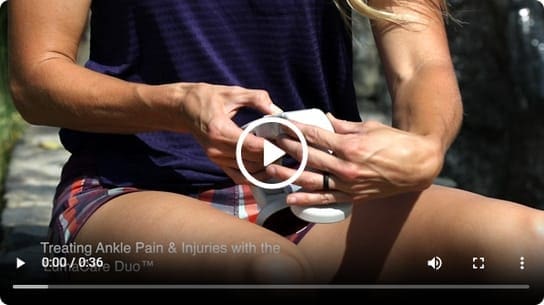
For individuals who want to enhance their recovery routine, a cold laser therapy device for sports injury can be incorporated as part of a broader approach to consistent training that keeps you in the game.
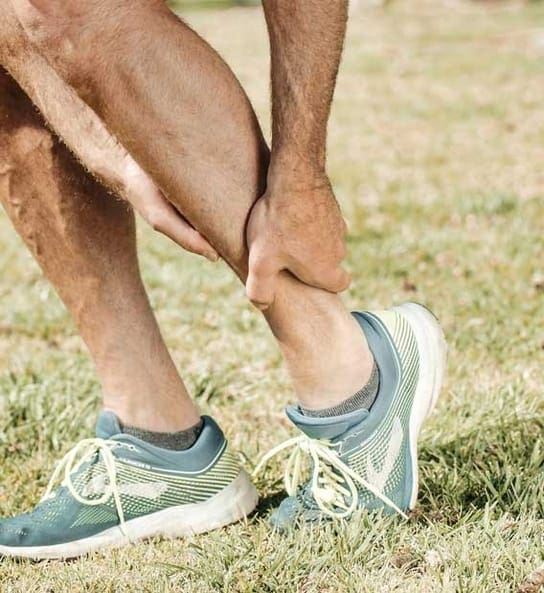
How Cold Laser Therapy Supports Recovery Routines
Traditional sports recovery methods often include rest, stretching, physical therapy, and the use of ice or heat to support comfort after physical activity. You also might have to adjust your training intensity and give your body time to recover between sessions.
These approaches are an important part of most recovery routines and help manage the physical demands of sports and exercise.
Cold laser therapy, also known as low-level laser therapy, is often used alongside these traditional methods as an additional, non-invasive recovery support tool. It is a light-based technology that can support comfort and consistency in post-activity and post-injury care.
Rather than replacing existing recovery practices, an LLLT device for sports injury is designed to be part of a recovery routine that may also include rest, movement, and other supportive therapies.
Staying on Track With Training and LLLT-Supported Recovery
Injuries and physical strain are a normal part of sports and active lifestyles, but reaching your goals and realizing your potential requires consistency, which makes recovery a priority for athletes and active individuals. Finding ways to stay on track can play a significant role in long-term performance and overall well-being.
Traditional recovery approaches help the body recover after physical exertion and support ongoing training schedules. Cold laser therapy complements these tools. Rather than acting as a standalone solution, a professional cold laser therapy device for sports injury is typically in conjunction with other modalities to stay active and maintain training momentum.
How Athletes Use Cold Laser Therapy in Recovery Routines
Both acute strain and ongoing stress can cause discomfort and disruptions to your training routine. Athletes and active individuals who want to stay active and consistent often use cold laser therapy to help manage the effects of physical activity. Areas of physical discomfort associated with training and exercise may be targets.
Because it is versatile, you can choose where to apply cold laser therapy depending on your individual recovery needs and training demands. It is suitable for a wide range of athletic routines and activity levels, from recreational exercise to competitive sports. The best use of non-thermal laser therapy devices for sports injury recovery is as a complementary tool that includes rest, movement, and other supportive therapies.
Common ailments you may choose to target with an LLLT device include:
Muscle Strains
Often included in recovery routines for areas experiencing post-activity tightness or overuse
Sprains and Ligament Areas
Used as part of general recovery support following physical strain in joints and connective tissues
Tendon-Related Discomfort
Commonly incorporated into routines targeting areas affected by repetitive movement or training load
Joints
Frequently used in recovery routines for knees, shoulders, ankles, and other high-use joints to support comfort after activity
How LumaCare’s Cold Laser Therapy Devices Support Athletic Recovery
At LumaCare, we designed our cold laser therapy device with athletes in mind. Our device has a straightforward, ergonomic design that makes it easy to use. It is intended for individuals who want to incorporate light-based recovery tools into their regular wellness or recovery routines, especially after a sports injury.
What sets the LumaCare Duo apart is its dual-head design, which allows you to address larger areas or both sides of a joint simultaneously. This innovative design helps reduce the time needed for sessions, allowing you to fit cold laser therapy into your schedule and maintain consistency. It is built to fit into daily routines without adding complexity, making it accessible for a wide range of users.
The device includes adjustable settings, allowing you to tailor its use to your individual routine. And while many cold laser therapy devices are restricted to medical practitioners, the LumaCare Duo is available for home or practice use without specialized training
For those seeking the best cold laser therapy device for sports injuries, the LumaCare Duo is designed for wellness use and everyday recovery support.

Areas Commonly Included in Athletic Recovery Routines
Cold laser therapy is often included in recovery routines to address areas of the body that experience strain or injury from sports and other physical activities. You can choose to incorporate these light-based sessions in ways that fit your personal recovery preferences and activity level.
Back, Neck, and Shoulders
The back, neck, and shoulders are often affected by repetitive movements and physical strain, especially in activities like weightlifting and high-impact sports. Individuals who incorporate light-based wellness tools can incorporate cold laser therapy into their overall approach to post-activity care, with sessions lasting just a few minutes.
Hands, Wrists, and Elbows
Athletes involved in sports like tennis, basketball, and baseball often experience pain in their hands, wrists, and elbows. A dual-head LLLT device like the LumaCare Duo can make adding cold laser therapy to a recovery routine a quick, at-home adjunct to complement other techniques.
Feet, Ankles, and Knees
The feet, ankles, and knees bear much of the body’s weight during physical activity, and they’re often the site of injury for runners and athletes. When discomfort or overuse affects your ability to stay active, you can incorporate cold laser therapy into your recovery routine as part of your post-injury care and overall wellness plan.
What Sets the LumaCare Cold Laser Therapy Apart?
At LumaCare, we designed our cold laser therapy device for individuals who want to incorporate light-based tools into their recovery routines. The device is built with a focus on simplicity, usability, and at-home convenience, making it accessible for a wide range of active lifestyles.
If you are searching for the best cold laser therapy machine for sports injury, LumaCare offers a non-invasive option designed to support athletes and sports enthusiasts as they seek out the best tools for everyday and post-injury recovery. Our device is:
Designed for At-Home and Professional Use
Built for flexibility, the LumaCare Duo can be part of home-based personal wellness routines or integrated into professional treatment settings. Its design supports consistent use without requiring complex setup, making it easy to use in a variety of recovery environments.
User-Friendly
The LumaCare Duo features straightforward controls and an intuitive design, allowing users to incorporate it into their routine without extensive training or complicated instructions. This simplicity supports consistent use over time.
Portable
Lightweight and rechargeable, the Duo is designed for convenience at home or on the go. Its compact form makes it easy to transport in gym bags and travel kits.
Adjustable
With customizable settings, our LLLT device allows you to tailor how you use it to your needs and recovery routines. This flexibility supports use across different areas of the body and varying activity levels.
Frequently Asked Questions
What role can cold laser therapy play in sports injury recovery?
How does cold laser therapy support athletes recovering from sports injuries?
Are there potential risks to using cold laser therapy for sports injury recovery?
Do I need to use cold laser therapy often to support recovery from a sports injury?
Can I still use cold laser therapy if I am using other sports injury treatments?
How much time does it take to complete each cold laser therapy session for a sports injury?
Can cold laser therapy be used for both acute and chronic sports injuries?
What are the main benefits of using cold laser therapy for sports injury recovery?
Is cold laser therapy intended to support muscle recovery after exercise or training?
How do I use LumaCare's cold laser therapy device for sports injuries?
Get Started with Cold Laser Therapy for Athletic Recovery Today
Training and recovery often place competing demands on the body, especially during periods of high activity or repetitive strain. Recovery routines often include a mix of treatments and modalities to help manage those demands over time. For many, cold laser therapy becomes part of these routines.
If you are looking for the best LLLT device for sports injury recovery, explore how the LumaCare Duo is used in athletic recovery settings and what makes them a complementary addition to injury recovery routines.