
Exploring Cold Laser Therapy Use After Surgery
After surgery, your body needs time to heal. Traditional recovery methods like rest and medication are usually part of the process, but they won’t make you better overnight. Meanwhile, work and home responsibilities don’t go away. As they pile up, you may start to feel pressure to return to your daily routine. If you’re looking for a non-invasive modality to add to your healing regime, cold laser therapy could be an option.
Cold laser therapy, or low-level laser therapy (LLLT), applies low-intensity light to the body. After surgery, it is sometimes one of several non-invasive tools that individuals may consider within a broader recovery plan overseen by a healthcare provider. People researching options such as “best LLLT device for post-surgical recovery” are typically exploring how these devices may fit into clinician-directed care routines rather than expecting standalone outcomes.
Cold Laser Therapy After Surgery
Following surgery, the body goes through a series of changes as it adjusts and begins to heal. Care strategies may focus on managing localized sensitivity and pain, supporting gradual movement and range of motion, and following provider-directed recovery protocols to allow tissues and structures to heal. Within this context, cold laser therapy is occasionally used as an adjunctive approach, targeting specific areas in a gentle, non-invasive manner.
Because it does not involve heat or pressure that may be uncomfortable or even hinder healing, it typically serves as a non-contact care option applied in short sessions and adjusted based on clinical recommendations. Some professional cold laser therapy devices for post-surgical use are also appropriate for home use under provider guidance.
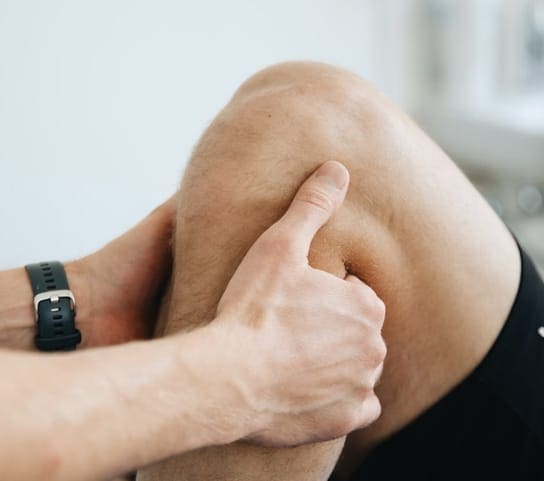
Why Choose Cold Laser Therapy for Post-Surgical Recovery
Recovery looks different for each person based on the procedure, overall health, and the care team’s post-operative plan. In some cases, clinicians include cold laser therapy as an adjunct option within that plan when they determine it fits the patient’s needs.
Cold laser therapy is generally not a replacement for standard post-surgical protocols. It is a complementary modality that may be used alongside other rehabilitation strategies. In care settings where it is available, a non-thermal laser therapy device is one of several supportive tools clinicians might consider when tailoring a recovery plan to an individual’s needs.
Post-surgical care guidelines are often layered. Your provider may recommend resting and modifying your activities. You may need wound care and follow-up appointments, along with physical therapy. Providers may also include adjunct therapies such as cold laser therapy within this structured plan to support comfort and tissue recovery.
Cold laser therapy sessions can take place in clinical settings or at home with an appropriate device. Grade 1 lasers, such as the LumaCare Duo, can be used outside a medical office without additional training. This makes cold laser therapy accessible in a variety of settings.
How Cold Laser Therapy Can Fit Into Your Recovery Plan
After surgery, your recovery plan is built around your specific procedure, your body, and how you’re healing over time. In some cases, clinicians may approve using an LLLT machine for post-surgical support as an additional tool when it aligns with that plan.
Below are examples of where it may be incorporated as part of a broader recovery strategy:

Orthopedic Procedures

Soft Tissue Surgeries

Sports Injury Procedures
Cold laser therapy does not replace established post-operative care. Instead, it serves as one component within a coordinated, individualized recovery plan based on patient needs and clinical judgment.
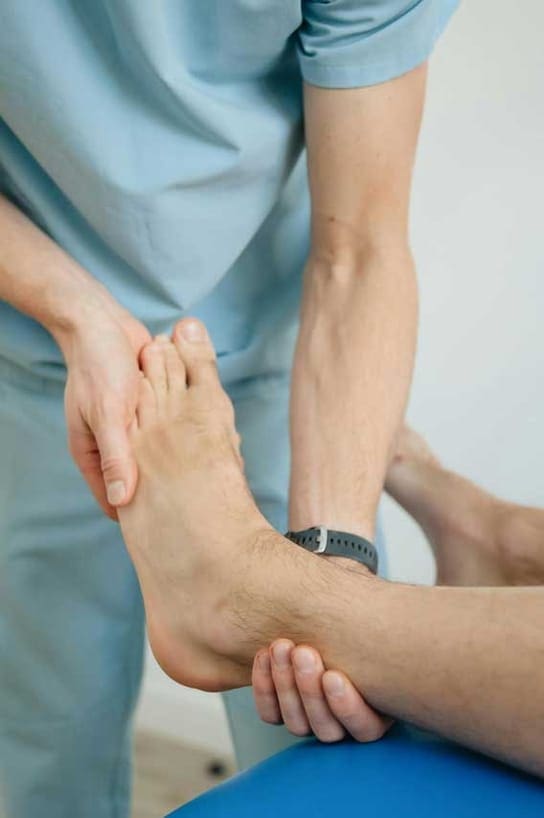
The LumaCare Approach to Cold Laser Therapy After Surgery
At LumaCare, we design cold laser therapy machines with the best post-surgical outcomes in mind. Whether used in a clinical setting or at home under the guidance of a healthcare provider, the LumaCare Duo is built to fit into structured post-surgical care plans without adding unnecessary complexity.
We focus on creating equipment that aligns with recovery that happens over time, and often across multiple settings. That means developing devices that clinicians can incorporate into in-office care, as well as options that patients can use at home when appropriate. This flexibility allows cold laser therapy to remain part of a consistent, clinician-directed routine rather than a one-time or isolated experience.
Our cold laser therapy device prioritizes usability alongside performance. Lightweight designs, intuitive controls, and adjustable settings allow providers and patients to operate them with confidence. Each feature is designed to support consistency and ease of use, which are key considerations in any recovery process.
Rather than being a standalone solution, the LumaCare Duo is designed to function as one component within a coordinated recovery plan. When used under appropriate guidance, it can be integrated alongside established post-operative instructions, including activity progression, physical therapy, and follow-up care.
How Recovery Takes Shape Across the Body
Post-surgical recovery often involves focused care for specific areas of the body affected by a procedure. Cold laser therapy can be a part of these targeted recovery plans. Applications are typically localized and align with the areas already receiving support through rehabilitation, movement progression, or follow-up care.

Neck, Shoulders, and Upper Back

Elbows, Wrists, and Hands
Surgeries involving the upper extremities, such as the hand, wrist, or elbow, typically require careful, targeted recovery strategies. Providers may consider cold laser therapy in these cases as part of a broader plan that includes controlled movement and functional rehabilitation.
Knees, Ankles, and Feet
Lower extremity procedures often involve staged recovery plans that account for weight-bearing, mobility, and stability over time. Within these plans, clinicians may use cold laser therapy as a localized option in conjunction with other prescribed therapies and follow-up care.
What Makes LumaCare a Practical Choice for Recovery?
When evaluating options for post-surgical care, many patients and providers look for the best cold laser therapy device for post-surgical routines; one that fits easily into a structured recovery plan without adding complexity. The LumaCare Duo is designed to support both clinical use and at-home application when guided by a healthcare provider.
It combines flexibility and ease of use in a single, portable device. Its dual-emitter design allows for efficient coverage across both small, targeted areas and broader regions often involved in post-surgical recovery. This makes it a practical option for maintaining consistency as recovery progresses through different phases.
Usability remains a central focus. The LumaCare Duo features lightweight construction and intuitive controls, making it easier to incorporate into daily routines. Whether used during scheduled recovery time at home or as part of a clinical setting, the design supports straightforward operation without unnecessary complication.
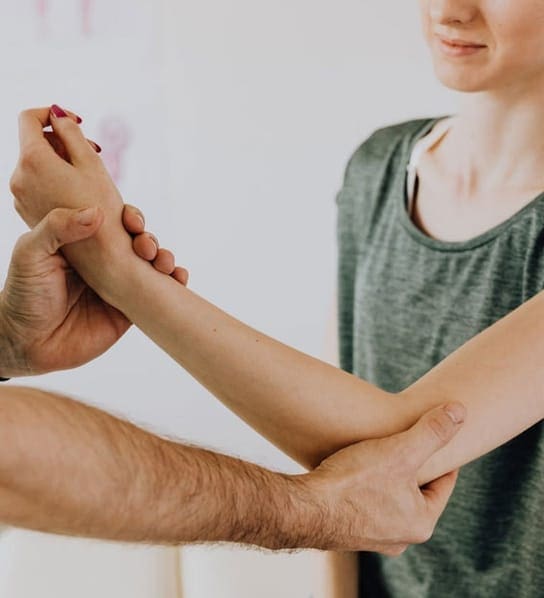
It also includes adjustable settings, enabling a more tailored approach based on the treatment area and the overall care plan. This flexibility can be especially important in post-surgical recovery, where different areas of the body and healing stages may require different approaches.
Portability further supports continuity of care. The compact design allows for post-surgical cold laser therapy machine sessions to move easily between home and clinical environments, helping users stay consistent with their routine when cold laser therapy is included as part of a broader, clinician-directed plan.
As with any adjunct modality, the LumaCare Duo is intended to complement post-surgical instructions, including activity progression, follow-up care, and prescribed rehabilitation.
Frequently Asked Questions
How does cold laser therapy fit into post-surgical recovery?
What does cold laser therapy look like in post-operative use?
Is cold laser therapy safe to use after surgery?
How long are cold laser therapy sessions?
How frequent should cold laser therapy sessions be after surgery?
What types of surgery can benefit from cold laser therapy?
How does the LumaCare Duo support surgery recovery?
When will I start seeing results from cold laser therapy for surgery recovery?
Take the Next Step in Your Recovery Routine
If you’re searching for the best cold laser therapy machine for recovery support after surgery, you’re likely looking for a device that fits into your routine and feels manageable day to day.
The LumaCare Duo is designed with that kind of real-world use in mind. It can be used in a clinical setting or at home when included in a provider-guided plan, and its simple design makes it easy to incorporate into an existing recovery routine without adding unnecessary complexity.
If it feels like it could be a fit for your recovery plan, the next step is to talk it through with your healthcare provider. They can help you determine whether it aligns with your procedure, your current stage of healing, and the overall approach guiding your recovery.