
Adding a Tissue-Level Layer to Structural Chiropractic Care
Chiropractic care directly addresses the body’s structural alignment. What it can’t always address is the soft tissue response that often surrounds a misalignment. Often, these areas are where patients feel discomfort and pain. The best cold laser therapy devices for chiropractors provide a non-invasive, light-based option aimed at soft tissues while your adjustments work on aligning structures.
Patients can plateau between chiropractic visits. The adjustment may hold, but the tissue environment keeps pulling things back. A professional cold laser therapy device for chiropractors used before or after an adjustment can help address that issue, supporting the surrounding environment alongside your structural work. It adds clinical depth to your practice without adding complexity.
What You Need to Know About Cold Laser Therapy
Cold laser therapy, also known as low-level laser therapy (LLLT), uses concentrated light at carefully selected wavelengths to penetrate beneath the skin and interact with underlying tissues. The process is non-thermal, meaning it does not generate heat or create any noticeable physical sensation during application. Sessions are gentle and non-invasive, with most patients experiencing little to no feeling throughout the session.
The term “cold” distinguishes this type of option from high-powered lasers used in surgery. There is no thermal effect on the skin, no downtime required, and no preparation needed before or after the session. For a chiropractic office where appointment pacing matters and patient comfort is always a priority, those qualities make cold laser therapy a natural clinical addition.
The best LLLT devices for chiropractors operate at focused wavelengths and higher intensity levels, allowing light to penetrate below the surface of the skin. That depth is what makes it clinically relevant for the presentations chiropractors see most often.
Addressing the Tissue Environment
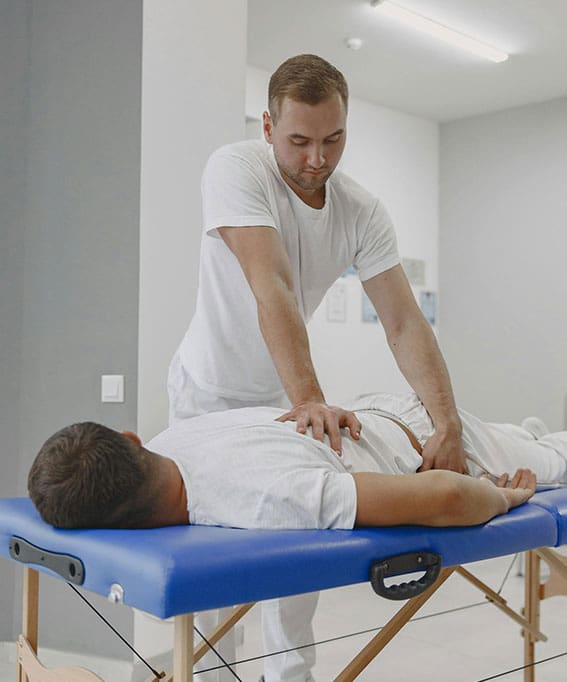
Chiropractic adjustments focus on the body’s structural base, including the spine and joints, with immediate, targeted intervention. In patients with disc-related nerve irritation or deep muscle tension, however, the surrounding tissue response may limit how well an adjustment holds. Addressing that tissue layer is where cold laser therapy becomes a meaningful clinical complement.
Applied before an adjustment, the best non-thermal laser therapy device for chiropractors can address tissue tension in the treatment area, which may make the joint easier to mobilize and the patient more comfortable during the procedure. Applied afterward, it can be used to support the tissue environment as the joint settles. Either way, it works alongside your core clinical skill rather than competing with it.
Cold laser therapy can also be a differentiator. Chiropractic care is a competitive field in most markets. Clinics that offer a thoughtfully integrated cold laser service alongside spinal care may attract patients who are looking for a comprehensive, evidence-informed approach rather than a single-modality practice. That positioning can build stronger patient relationships and higher retention over time.
The Practices and Patient Profiles LLLT Fits Best
Cold laser therapy can be a valuable addition in chiropractic settings, particularly for patients dealing with chronic issues, nerve-related discomfort, or injury recovery. These cases often involve multiple contributing factors, making a combined approach that addresses both structural alignment and underlying soft tissue concerns appropriate.
Practices with a rehabilitation or functional recovery focus are also well matched. The best non-thermal laser therapy machine for chiropractors integrates cleanly into a treatment protocol that already includes soft tissue work or other adjunctive therapies. It adds a light-based tissue-focused modality that complements what those other tools are striving to accomplish.
Patients who are hesitant about care because of sensitivity or prior discomfort during treatment are worth considering as well. The passive nature of cold laser therapy makes it accessible to patients who are guarded or anxious, and introducing it as part of their visit can lower the overall stress of the appointment and add a meaningful layer to their care.
The Conditions and Zones Cold Laser Therapy Addresses
Photobiomodulation describes what happens in the body when light at certain wavelengths interacts with cells. For chiropractors, understanding these applications by condition and zone helps you communicate the value of the service clearly to patients and build treatment protocols that address their specific presentations.
Arthritis
Arthritis in the spine, hips, or peripheral joints is a frequent presentation in chiropractic practice, typically reflecting long-standing changes in joint function and cartilage integrity. These cases may require an ongoing, structured approach where clinicians combine different forms of care rather than relying on a single intervention.
For chiropractors, an LLLT machine is one tool you can use alongside manual adjustments, integrating both into a broader care plan focused on supporting overall joint management.
Sports Injury
Athletes don’t usually present with a single isolated issue. They often come in with a layered mix of overuse patterns, localized inflammation, and movement compensation that shows up differently depending on the sport and training load.
In those situations, early recovery phases often call for approaches that avoid adding mechanical stress to already sensitive areas. A cold laser therapy machine for chiropractors allows you to address a region without contact or applied force.
Within the same visit, chiropractors can still perform targeted adjustments, keeping structural work and localized tissue-focused care as two coordinated but distinct parts of the session.
Pain
Patient experience plays a central role in chiropractic care, especially when symptoms make traditional approaches feel more sensitive or difficult to tolerate. Chiropractors may include low-level laser therapy within the overall visit plan rather than relying on a single technique for patients with irritation along a nerve pathway or persistent discomfort in a localized area.
You can apply an LLLT device either before or after an adjustment, integrating it into the session as a complementary step alongside manual care.
Recovery
After an injury, patients often need steady, low-intensity support delivered over time rather than isolated interventions. In chiropractic practice, clinicians may introduce cold laser therapy in recovery-focused visits as a non-contact option that fits alongside ongoing manual care.
Rather than standing apart from the treatment plan, it integrates into the later stages of care where clinicians continue structural work while giving the body additional time and support to adapt and stabilize.
Surgery
For patients recovering from surgery, the focus is on supporting healing while protecting tissue integrity. A non-thermal laser therapy machine used in chiropractic care is non-contact and does not generate heat or cause physical disturbance, making it a suitable option in areas near surgical sites when direct manual treatment is not advised.
Before using cold laser therapy near any recent surgical site, it is important to consult with the patient’s surgical team to ensure proper timing and clinical appropriateness.
Neuropathy
Peripheral neuropathy can cause nerve-related symptoms that originate or are aggravated at the spinal level. A non-thermal laser therapy device for chiropractors offers a targeted, light-based option for nerve pathway tissue without adding pressure or stimulation. Used alongside spinal decompression and alignment work, it adds a tissue-level layer to the care your adjustments provide.
Where Cold Laser Therapy Gets Used in Chiropractics
In a chiropractic setting, cold laser therapy sessions can be targeted to correspond with the areas most commonly addressed in your practice.

Knee, Ankle, and Foot
Lower extremity joint conditions often connect to pelvic alignment and lumbar function, making them a natural part of a chiropractic treatment plan. An LLLT machine for chiropractors may be applied to these high-load joints as part of a structured plan. Patients may benefit from having a light-based tool address the local tissue environment while chiropractic care addresses the biomechanical patterns that influence the lower extremity from above.

Hand, Wrist, and Elbow
Repetitive strain, nerve compression, and joint concerns in the hands, wrists, and elbows are common in patients with thoracic or cervical involvement as well. A low-level laser therapy machine for chiropractors applied to these distal zones complements the proximal structural work you are doing and supports a more complete approach for patients presenting with conditions that span multiple regions.

Back, Neck, and Shoulder
These zones sit at the core of chiropractic care, where disc-related discomfort, spinal nerve irritation, cervical tension, and shoulder impingement are just a few common patient concerns.
Cold laser therapy can be a part of care plans for these individuals. An LLLT device for chiropractors with a dual-head configuration can address spinal concerns simultaneously from both sides or cover a broader treatment area in one session, reducing the time required to address these areas.
How LumaCare Leads With the LumaCare Duo
LumaCare Lasers built the LumaCare Duo to fit the way chiropractic clinics operate, where efficiency, consistency, and ease of integration matter in day-to-day care delivery. The Duo is designed to streamline how practitioners incorporate light-based therapy into existing workflows.
The dual-head configuration allows chiropractors to treat broader or bilateral areas in a single placement, reducing the need for repeated repositioning during a visit. In practice, that means smoother session flow, especially when working through common regions like the spine, shoulders, and larger joint structures. It helps maintain momentum within the appointment structure rather than interrupting it.
For chiropractors, this cold laser therapy machine has a design, that integrates easily into established chiropractic care plans. Practitioners can incorporate it alongside manual adjustments without changing how they run their sessions, allowing structural work and light-based application to sit naturally within the same visit.
LumaCare made the Duo for straightforward adoption in clinical settings. Chiropractors and their teams can begin using it without navigating complicated protocols or specialized training requirements, which supports faster implementation in real practice environments.
LumaCare also provides education and practitioner support to help clinics understand how to use the LumaCare Duo effectively, where it fits within different types of patient presentations, and how to communicate its role clearly within existing care approaches.
Frequently Asked Questions
Is cold laser therapy within the scope of practice for chiropractors?
How does cold laser therapy fit into a spinal adjustment visit?
How much time does cold laser therapy add to an existing chiropractic appointment?
Which chiropractic patients may be candidates for cold laser therapy?
Can cold laser therapy replace existing adjunctive modalities in a chiropractic clinic?
How do chiropractic patients typically respond during their first cold laser therapy session?
How should cold laser therapy be documented in a chiropractic patient record?
Consistent documentation from visit to visit helps track patient progress over time and creates a clear, reliable record if another provider reviews or assumes care. Before you bill cold laser therapy as a separate service, confirm the correct procedure codes with your billing provider to support accurate reimbursement.
Does cold laser therapy affect chiropractic modalities such as ultrasound or interferential current?
Applying cold laser therapy to the same area immediately after ultrasound, for example, involves two tools with distinct tissue mechanisms. Spacing them or using them in different zones in the same visit may be a reasonable approach. Following the device manufacturer’s guidance and using clinical judgment based on individual patient tolerance is the best framework for combining modalities.
How do you introduce cold laser therapy to established patients who are already satisfied with their current care plan?
Frame it in relation to a specific presentation already being addressed in the visit, rather than as a general update about available services. Within established care relationships, this approach keeps the discussion grounded in the patient’s current goals and the existing treatment plan.
Is there a learning curve for chiropractors integrating cold laser therapy into their clinical workflow?
Take Your Clinical Outcomes Further
You already provide a high level of structural intervention. When you adopt a tissue-level tool to expand care options in your practice, you gain the ability to address the soft tissue environment that influences how well that structural care holds. A cold laser therapy device for chiropractors is an addition that works with your existing clinical approach and extends the range of what each patient visit can address.