
Expanding What Your Practice Offers With Light-Based Tools for Acupuncturists
Acupuncture already works at a level most people don’t fully understand. You’re addressing the body’s energy pathways, supporting systemic regulation through precise, targeted intervention. What a cold laser therapy device for acupuncturists adds to that picture is a complementary tool that shares the same philosophy: focused, non-invasive, and deeply complementary to the body’s own processes.
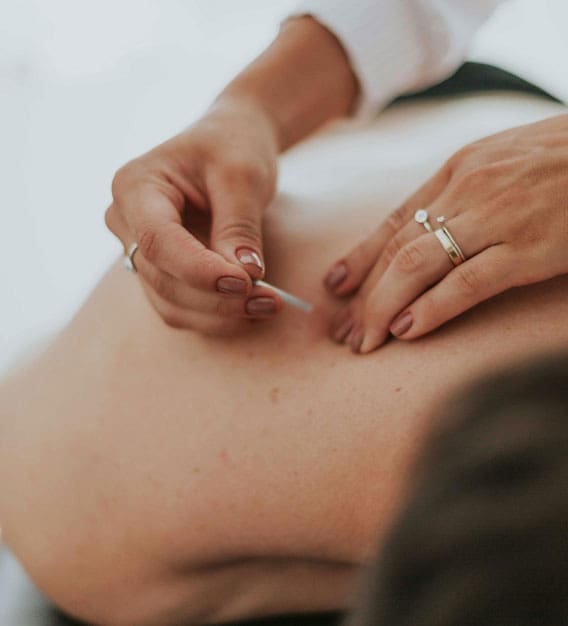
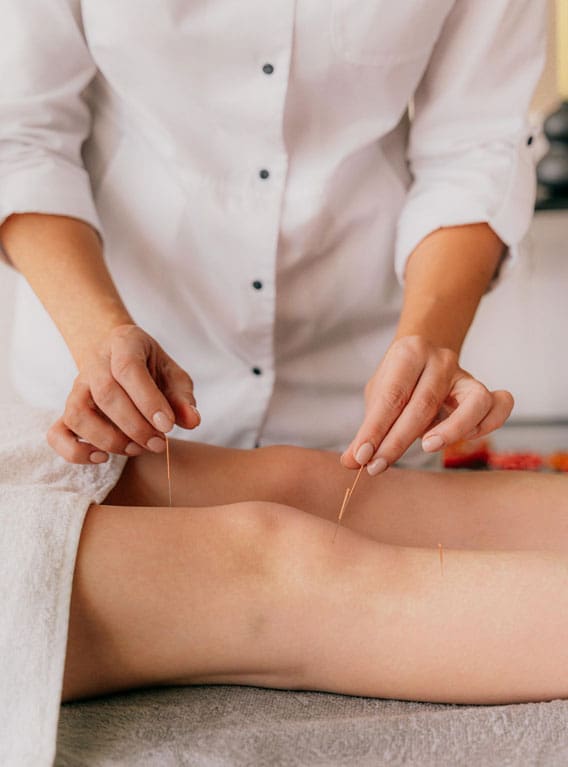
Many acupuncture patients are sensitive. Some are needle-averse, dealing with compromised tissue, or managing conditions where additional stimulation needs to be carefully controlled. Low-level laser therapy gives you a way to address those same points and pathways with light rather than needles, or to layer light-based treatment alongside needling for a more comprehensive session.
The best cold laser therapy machine for acupuncturists works within your existing framework rather than competing with it, giving you a second language for communicating with the body in cases where one approach reaches its limit.
Light-Based Therapy: What It Is and How It Works
Cold laser therapy uses low-energy, focused light delivered at specific wavelengths to interact with tissue beneath the skin. The light reaches the cells in the underlying tissue without producing heat or causing any physical disruption.
Sessions are short, typically three to seven minutes per treatment area, and the experience is passive for the patient. There is no sensation of heat, no vibration, and no physical sensation. For patients who are sensitive or anxious, that quality alone can make cold laser therapy a meaningful clinical option. It also means you can apply it to areas where needling is contraindicated or where tissue integrity limits what direct stimulation can safely accomplish.
A professional cold laser therapy device for acupuncturists uses tightly focused wavelengths. It is designed to reach deeper tissue areas compared to lower-powered or surface-level devices. That depth and specificity align naturally with the precision-based approach that defines acupuncture practice.
How a Light-Based Layer Supports Your Practice
Acupuncture excels at systemic regulation, but patients presenting with chronic joint conditions, nerve-related symptoms, post-surgical sensitivity, or degenerative conditions may benefit from a layered approach. A light-based tool offers an additional modality to incorporate into those cases without requiring you to refer out or tell a patient that your approach has hit a ceiling.
There is also the patient retention dimension. Clients managing long-term conditions like arthritis or neuropathy often reach a plateau with any single modality. Introducing cold laser therapy as a layered option within your sessions gives those patients a reason to continue engaging with your practice rather than searching for alternatives. It signals that you are invested in their outcomes and willing to evolve your approach as their needs change.
For patients who are needle-averse, cold laser therapy opens the door. You can apply it to acupuncture points and meridian pathways using light, supporting the energetic and physiological goals of a traditional session without requiring the patient to navigate anxiety around needles. That can help you reach patients who might otherwise avoid treatment.
Where Cold Laser Therapy Fits in Your Patient Population
Cold laser therapy is a strong fit for acupuncturists who regularly treat patients with chronic conditions, joint concerns, neurological symptoms, or those in a recovery phase. Practices that care for older adults, athletes, individuals with chronic conditions, or post-surgical patients will find the most immediate application, since these groups tend to present with layered conditions where a single modality rarely covers everything.
It is also well-suited for practitioners who already integrate complementary tools, such as cupping, gua sha, or electrical stimulation, into their sessions. Cold laser therapy fits that same integrative orientation, and it carries a clinical credibility that resonates with patients who are health-informed and outcome-focused.
Needle-averse patients deserve particular mention. A significant portion of people who might benefit from acupuncture never try it because of fear or discomfort around needles. A practice that offers light-based treatment of acupuncture points as an alternative can reach patients who would otherwise remain outside the scope of your care. That expands the types of patients you can accommodate.
How Light-Based Therapy Maps to What You Already Do
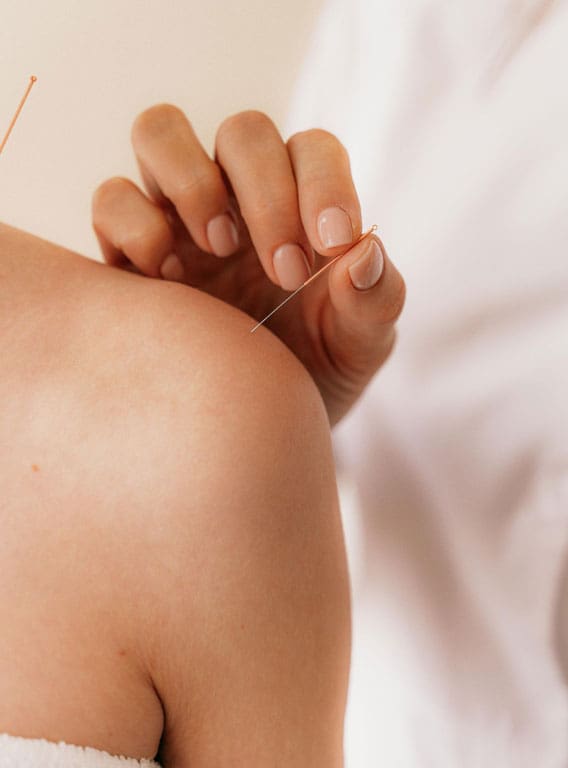
Photobiomodulation describes the biological response that occurs when specific wavelengths of light, such as those from a cold laser therapy device, interact with tissue at the cellular level. In an acupuncture context, these applications give you a second tool for familiar presentations.
Pain
Addressing patient comfort is central to acupuncture practice, and it is a key consideration in cold laser therapy applications as well. When a patient presents with chronic conditions involving nerve sensitivity or circulatory concerns, light-based treatment is applied to the tissue level as part of a broader care approach. You can use it to address localized sites directly, apply it to acupuncture points along relevant meridians, or use it to prepare an area before needling.
Arthritis
Arthritis is a long-term condition that often requires consistent, targeted care over time. Often, localized attention is as important as systemic treatment. Cold laser therapy applied to joint tissue complements the systemic balancing work that acupuncture provides. A device that addresses arthritis in the hands, knees, or spine can be a practical clinical asset.
Neuropathy
Peripheral neuropathy creates nerve-related symptoms that can be difficult to address through needling alone, especially in highly sensitive patients. Cold laser therapy does not require contact, pressure, or added stimulation. Applied along nerve pathways and relevant acupuncture points, it can complement the goals of a traditional treatment.
Recovery
Recovery from physical exertion, injury, or illness is a phase where patients need consistent, supportive care. Cold laser therapy during recovery phases can serve as a complement to acupuncture’s role in promoting systemic balance. Patients in active recovery phases can engage with sessions that combine needling with light-based application at the primary sites.
Sports Injury
Athletes often present with specific tissue concerns, such as in tendons, ligaments, or joints, and they have a strong preference for returning to activity quickly. In many cases, cold laser therapy can be used alongside acupuncture in a single session. It provides localized light-based application while needling addresses the broader energetic and systemic patterns relevant to the case.
Surgery
Post-surgical patients need care that supports tissue integrity and doesn’t disrupt the healing process. Cold laser therapy is non-contact and produces no heat or pressure, which makes it an option for use near surgical sites when direct manipulation is contraindicated. It can be applied to the area as part of the broader post-operative care plan that acupuncture supports. Always coordinate with the patient’s surgical team to confirm appropriateness before beginning treatment near a recent incision site.
Where Cold Laser Therapy Fits Your Clinical Work
Cold laser therapy can address the body’s major joint and soft tissue areas. In an acupuncture practice, these zones overlap directly with the regions you treat most frequently.

Back, Neck, and Shoulder
Cervical and lumbar concerns are among the most common in any acupuncture clinic. In these zones, cold laser therapy may support the goals of needling sessions. A dual-head device covers both sides of the spine or a broad shoulder area simultaneously, which reduces treatment time while covering a broader area in a single placement.
Patients with chronic conditions in this region, including disc-related concerns or nerve impingement, are common in acupuncture practices and are often treated using a combined approach.

Hand, Wrist, and Elbow
These are high-frequency treatment zones for patients with repetitive strain, arthritis, or nerve compression. Cold laser therapy applied to the small joints and soft tissue structures of the hand and wrist offers a non-contact option for areas that may be sensitive to direct pressure, and it pairs naturally with needling of the relevant distal and local points. For patients with significant sensitivity in these joints, a non-contact, light-based approach is often well tolerated.

Knee, Ankle, and Foot
Lower extremity joints carry the most mechanical load and are prone to both acute injury and chronic degeneration. Knee conditions, ankle instability from prior injury, and plantar-related foot concerns all present regularly in practices serving active or aging populations. Cold laser therapy can be a part of a recovery-oriented care plan.
Pairing it with acupuncture targeting the relevant meridians and distal points creates a session that focuses locally and systemically at the same time.
What LumaCare Brings to Acupuncture Practice
At LumaCare Lasers, we built our flagship device around a patented dual-head configuration that sets it apart from other machines currently available. Standard cold laser devices deliver light through a single head, covering one side of a treatment area at a time. The LumaCare Duo uses two heads simultaneously, allowing it to address a joint from both sides, wrap around a limb, or cover a broader zone in a single placement. In a clinical setting where session time is structured and patient comfort matters, efficiency is a real advantage.
The device operates across three wavelengths. That range means a single device handles applications aimed at multiple depths without requiring you to switch tools or purchase additional equipment. The device was developed by a physician and is designed to be used confidently by practitioners without a background in laser technology.

LumaCare bases its relationship with practitioners on education. We are committed to helping you understand what cold laser therapy actually does, how it fits alongside your existing modalities, and how to communicate its value clearly to your patients. That foundation allows you to integrate the device with confidence rather than uncertainty.
Frequently Asked Questions
Can cold laser therapy be applied directly to acupuncture points?
Can cold laser therapy be included in acupuncture sessions?
How does laser acupuncture differ from traditional needle acupuncture?
Are there acupuncture-specific protocols for using cold laser therapy?
Protocols vary depending on the practitioner’s training, the device being used, and the condition being addressed. Some acupuncturists follow established laser acupuncture point protocols adapted from traditional needle-based approaches, while others develop their own based on clinical observation and patient response.
Because cold laser therapy has been the subject of ongoing research and acupuncture point stimulation has its own established literature, combining both frameworks thoughtfully supports more individualized treatment planning.
What is the difference between a cold laser therapy and electro-acupuncture?
How should a practitioner document cold laser therapy sessions?
Documentation should include the treatment zone or acupuncture points addressed, the wavelength and duration used, the clinical rationale for incorporating light therapy alongside or instead of needling, and any patient feedback following the session.
Keeping this documentation consistent with your standard intake and progress note format ensures continuity of care and helps accurately track patient response over time. If you are billing for the service separately, confirm documentation requirements with your billing provider or professional association.
Can cold laser therapy support patients who are detoxing or immunocompromised?
Consulting with the patient’s primary care provider and starting with shorter session times on less central treatment areas is a reasonable approach while monitoring patient tolerance.
How does patient sensation during cold laser therapy compare to the needle sensation in acupuncture?
For practitioners accustomed to reading patient response during needling, this requires a shift in how you gauge the treatment’s effect, relying more on patient-reported outcomes over time rather than in-session sensory feedback.
Is additional training required to use a cold laser therapy device in an acupuncture practice?
Many practitioners learn through manufacturer educational resources, professional development courses, or peer consultation with practitioners already using the technology. Check whether your state acupuncture licensing board has any guidance on adjunctive devices before adding the service to your practice.
How do you communicate the addition of cold laser therapy to existing acupuncture patients without overstating its benefits?
Patients who already trust your clinical judgment are usually receptive when you frame new tools in terms of their individual situation rather than broad claims, and that approach keeps expectations realistic while opening the door to new care plans.
Add Another Dimension to Your Practice
Your patients come to you because they trust your approach to care. Adding a focused, light-based tool gives you a wider range of options for patients who may benefit from more than one modality. Whether you are working with a needle-averse patient or supporting a patient managing a chronic condition, a cold laser therapy machine for acupuncturists extends what your practice can offer.