
Expanding What Massage Clinics Can Offer With Cold Laser Therapy
Clients often come to massage clinics seeking relief from everyday tension, recurring discomfort, or the lingering effects of physical strain. Hands-on work is a core part of your care, but there are times when it may not fully address your client’s concerns, especially when they are joint-related or when sensitivity or post-procedure precautions are involved.
For massage clinics, a cold laser therapy device for massage clinics offers an additional, non-contact option that some practitioners include in their sessions. It can be used alongside standard massage work without adding physical pressure or extending session recovery time for the client. A low-level laser therapy (LLLT) device for massage clinics is typically used as a complementary tool within broader care routines. It can allow you to offer your patients a layered approach with options that may align with their needs and preferences.
A Closer Look at Cold Laser Therapy
Cold laser therapy uses low-intensity light applied to specific areas of the body without direct contact or generating heat. In a clinical and wellness context, it is generally described as a light-based modality that interacts with surface and underlying tissues in different ways depending on wavelength and application.
The term cold simply distinguishes it from higher-intensity surgical or industrial lasers that generate heat. However, people often report little to no sensation during application. For massage clinics, this means professional cold laser therapy device sessions can often be added comfortably before, during, or after hands-on work.
This approach is different from broader light panel systems such as red light devices. A focused cold laser device is designed for more targeted application to specific areas, while still remaining non-invasive and easy to add into existing treatment routines.

How LLLT May Be Relevant in a Massage Practice
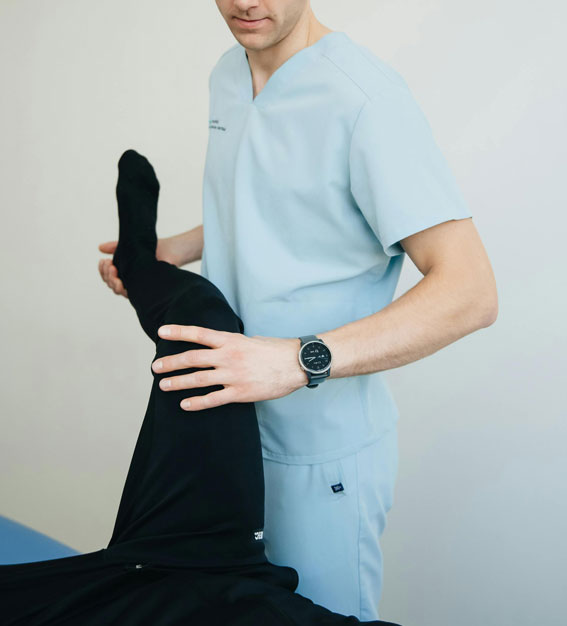
Massage therapy addresses muscle tissue with skill and precision. Where it may run into natural limits is in conditions that involve joint inflammation, deep connective tissue, nerve-related discomfort, or post-surgical sensitivity, where direct pressure is contraindicated. Clients dealing with these issues still want care, but they often can’t tolerate a full-pressure session or find that massage provides only temporary comfort.
For these situations, some practitioners choose to include additional non-contact tools in their workflow. A cold laser therapy device for massage clinics can be incorporated before hands-on work, after a session, or as an optional standalone service, depending on the client and session structure.
One of the best ways for massage clinics to use LLLT machines is to help expand the range of session preferences and approaches a clinic can offer, including those who prefer lighter touch sessions or are exploring non-invasive options as part of their routine care.
From a business standpoint, adding additional service layers can also help differentiate a practice by offering more than manual techniques alone, without fundamentally changing the structure of a session.
Who Cold Laser Therapy is Commonly Used For
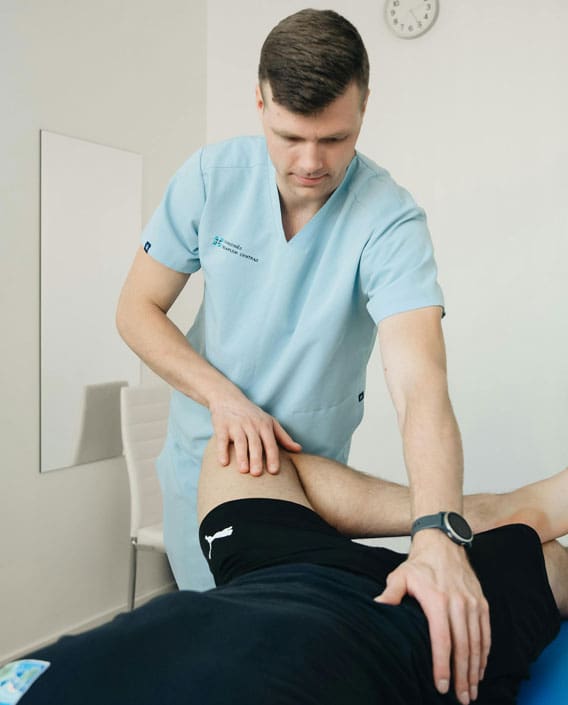
A clinic-based LLLT device may be considered in a wide range of massage and bodywork settings. This can include sports-focused practices, med spas, integrative wellness clinics, and providers who regularly work with clients managing ongoing physical strain or sensitivity. It is also sometimes used in practices that support clients after procedures or during periods where hands-on pressure needs to be modified.
Chiropractors and acupuncturists who also offer soft tissue work may consider it as well. A soft laser therapy device for massage clinics integrates cleanly into practices that already take an evidence-informed approach to treatment. It requires no specialized licensing in most states to operate, and the learning curve is minimal.
Common client profiles may include:
- Individuals receiving regular bodywork for muscle tension
- Athletes who prefer structured recovery-focused routines between activity
- Clients exploring non-contact wellness tools as part of their care plan
- People who prefer lighter-touch or mixed-modality sessions
Photobiomodulation in Practice Settings
Photobiomodulation is a term used in research and clinical literature to describe how specific wavelengths of light interact with tissue. In massage and wellness environments, it is generally discussed in conversations about how light-based tools are incorporated into broader care routines alongside manual work, movement, or rest-based recovery strategies.
Comfort-Focused Care
Ongoing discomfort and physical strain are some of the most common goals of massage therapy clients. In practice settings, some practitioners include a professional cold laser therapy device for massage clinics as a non-contact option within sessions focused on areas that feel sensitive, overworked, or may be difficult to address comfortably with pressure alone.
Wellness Routines
Practitioners may use cold laser therapy alongside massage for recovery-focused clients looking for options that fit within training schedules or complement ongoing wellness habits. Some include a low-level laser therapy machine for massage clinics as part of post-session routines because it is non-invasive and easy to incorporate without adding additional physical strain, particularly for clients who prefer a combination of hands-on and non-contact modalities within the same session.
Athletic Support
Because application does not rely on direct pressure, it can be easier to incorporate LLLT around joints or areas that feel reactive during certain stages of training or recovery-focused care. For clinics that regularly work with active populations, it is often included alongside massage, mobility work, and other routine support strategies.
Common Application Areas in Clinics
Cold laser therapy devices can be applied to a variety of body regions, depending on client needs and practitioner preference.

Upper Body Tension
These are among the most frequently addressed areas in massage settings. Many clients carry general tension or postural strain in these regions. Some practitioners choose to incorporate light-based tools as part of their routine workflow in combination with manual techniques.

Smaller Joint Areas
These smaller joint areas are often involved in repetitive movement patterns related to work or daily activity. Because of their size and sensitivity, non-contact tools can be easier to integrate into sessions that require a lighter approach.

Lower Body Care
Joints, such as the ankles and knees, are often involved in weight-bearing activity and daily movement patterns. Some practitioners include light-based tools, such as a non-thermal laser therapy device for massage clinics, in these areas as part of broader session planning, especially when adjusting hands-on pressure for comfort.
How LumaCare Fits Into a Clinic Workflow
LumaCare Lasers developed its device with clinical workflow efficiency in mind. Most devices on the market use a single laser head. The LumaCare Duo is unique. It features a patented dual-head design that allows two areas to be addressed at the same time, which can help streamline application during a session. For a massage clinic where session time is structured and pacing matters, you can integrate cold laser therapy into an existing appointment without extending appointment times significantly.
The device offers multiple wavelength ranges, allowing practitioners to select settings based on their preferred approach and the area being worked on. In practice, this gives flexibility in how it is incorporated into different session types without requiring separate devices. The device was developed by a physician, and the design reflects clinical intent rather than consumer simplicity alone.
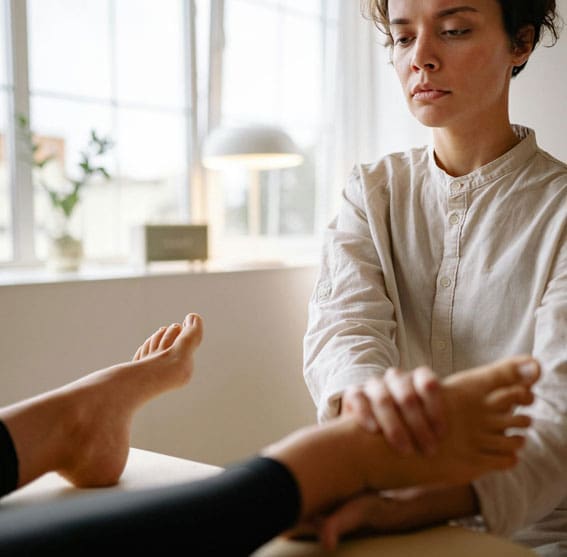
LumaCare also provides practitioner education to help users understand how the device fits into different workflows and how to communicate it clearly within their practice.
LumaCare also prioritizes practitioner education. The goal is to help you understand the therapy well enough to communicate it clearly to clients, set accurate expectations, and integrate it thoughtfully into your existing services. Whether you are using massage or an LLLT device for massage clinics, it’s best to understand both what the treatment modality does and where it fits within a broader treatment approach.
Frequently Asked Questions
Can massage therapists legally use cold laser therapy machines without additional certification or licensing?
Review your state’s scope-of-practice guidelines or check with your licensing board before adding a cold laser therapy device to your clinic.
How do you explain cold laser therapy to clients who have never heard of it?
In a consultation setting, it can help to focus on how the session fits into the overall appointment rather than speaking too technically about the device itself.
Can clients receive cold laser therapy and massage in the same visit?
Because sessions are typically brief and non-contact, they can often be incorporated into an existing massage appointment without major changes to the overall session structure.
Are there clients who may not be appropriate candidates for cold laser therapy?
How do massage clinics typically price cold laser therapy services?
Some clinics include it as part of premium treatment tiers, while others offer shorter add-on sessions at a separate rate. Reviewing pricing in your local market can help establish a reasonable baseline for your area.
How long does it usually take for a clinic to recover the cost of a cold laser therapy device?
Some clinics choose to introduce it gradually as an optional add-on service, while others integrate it more consistently into daily workflows. Tracking usage patterns and repeat bookings can help you evaluate how the service fits into your business over time.
Is cold laser therapy appropriate for older clients with sensitive skin?
As with any service, session planning is usually adjusted based on the individual client, their comfort level, and any health considerations discussed during intake.
Can cold laser therapy help clients who have already tried other treatments without success?
Setting clear expectations and keeping the discussion focused on the overall session experience can help clients understand how it fits into a broader wellness approach.
What should a practitioner look for when comparing cold laser therapy machines for massage clinics?
How do you market cold laser therapy to existing massage clients?
Bring a New Layer of Care to Your Practice
Massage clinics often evolve by adding tools that complement existing massage techniques. A cold laser therapy device for massage clinics is one example of a non-contact modality that can be integrated into sessions without changing the core structure of a practice.
In many cases, it can become an optional add-on that your patients can choose, depending on their preferences and your recommendations. Your clients trust you to help them feel better. Adding a focused, non-invasive option to your practice gives you more modalities to offer.