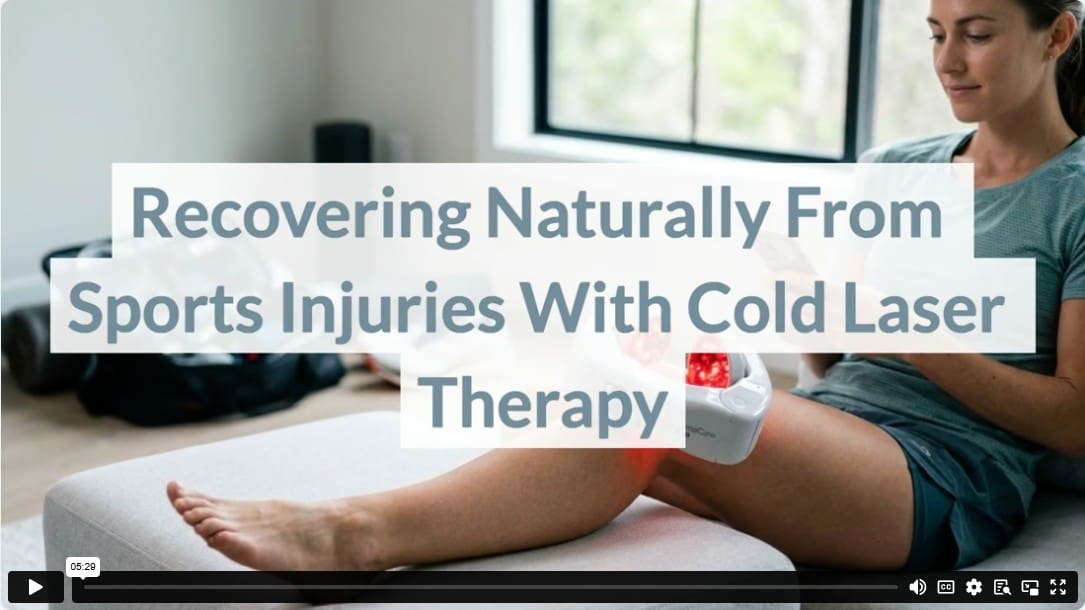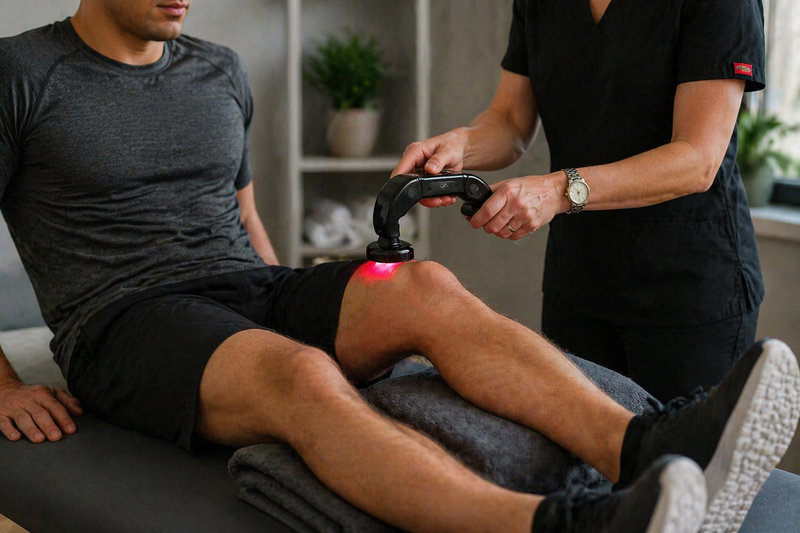
When you’re dealing with a sports injury, your recovery plan often feels like a balancing act. You need to support your healing process. However, you also need to protect your injured tissue from extra stress. If you’ve tried a variety of support tools, you may already know how easy it is to overdo it and end up more sore than you were before.
This is where cold laser therapy stands out. It is called cold laser therapy not because it uses temperature, but rather the opposite. Cold laser therapy is completely non-thermal, using light instead of temperature changes or mechanical pressure.
This non-invasive approach is important to understand because injured tissue often responds best to gentle and consistent methods. It gives you a way to support recovery without using heat or aggressive stimulation that can feel uncomfortable when an area is already sensitive. Let’s go over how buying a cold laser therapy device can support recovery.
Working With the Body’s Natural Repair Process
With a sports injury, you’re likely eager to get back to training. It’s tempting to chase methods that give you strong and immediate feedback, even if that feedback makes the pain worse. Most injuries don’t tolerate aggressive input well, especially if they involve joints, tendons, or connective tissue. You need something that works with your body, not against it.
Even though cold laser therapy lacks that immediate sensation, that doesn’t mean it’s not helping you heal. The light works at a cellular level, stimulating your body’s natural healing processes. You can’t feel it because it works at a deeper level than most other recovery tools do.
Why Comfort and Consistency Beat Intensity
Because cold laser therapy doesn’t rely on heat, you avoid adding extra warmth to an area that may already feel reactive. And because it doesn’t rely on pressure, you’re not compressing tissue that might feel tender. All you have to do is hold the light to your skin for a few minutes at a time, no extra stress required. You can use it without bracing for discomfort.
This ease of use helps you to use the device much more consistently than you would with something that makes the pain worse. That consistency supports healing much more effectively than occasional treatments do. And because each session is short, you can use cold laser therapy alongside other habits without turning recovery into an all-day project.
Consistency also helps you evaluate progress more clearly. When your routine stays steady, you can notice patterns in comfort and mobility over time. A single intense session, on the other hand, might leave you unsure of what changed.
Some recovery methods rely on aggressively stimulating the affected area, which can limit comfort and consistency. Cold laser therapy is different. The best non-thermal laser therapy device for sports injury recovery is one that supports recovery through gentle, repeatable sessions that encourage steady progress over time.
Cold Laser Therapy Can Complement Other Strategies
Most sports injury recovery plans include a mix of approaches. You might rotate rest, mobility work, and strength training. Cold laser therapy can work alongside these strategies because it does not compete with them.
You may already be using hands-on tools like massage guns and foam rollers. You may also notice that certain areas can tolerate pressure just fine, while others do not. Pressure-based tools can help with muscle tightness, while gentler methods are better for joints or tender spots. A non-thermal approach can fit into that division of labor, especially when your goal is to stay comfortable while maintaining movement.
Low-Stress Recovery Phases
Recovery from a sports injury usually comes in phases. Early on, your focus tends to be comfort and protecting the area from added stress. As things settle, you can begin reintroducing movement and light strength training. Near the end of recovery, you can increase the load and return to reduced or full training.
Cold laser therapy fits well at any stage because you can use it without changing the intensity of what you’re already doing. In the early phases, it’s a mellow support tool that doesn’t require physical effort. In later phases, it can fit cleanly into your routine as you return to normality.
Build your recovery plan around comfort and steady progress. Keeping stress low with non-invasive methods supports long-term momentum in recovery.
How to Think About Results Without Chasing Quick Fixes
Sports injury recovery never rewards impatience. You may want a quick, intense fix, but recovery tends to respond better to steady support and gradual progression. Don’t rush into intense methods before your body is ready.
Pay attention to the gradual changes. Cold laser therapy is a long-term process, not a one-time treatment. You may notice that certain movements feel easier, that your body warms up more smoothly, or that you recover better between sessions. Noticing these changes lets you respond with what your body actually needs.
Building a Recovery Routine You Can Actually Stick With
The best recovery plan is the one you can maintain. If your routine is complicated or uncomfortable, it becomes easier to skip sessions, second-guess your choices, or abandon the plan entirely. Cold laser therapy gives you a way to support your recovery that feels manageable and repeatable.
To get the most out of recovery, keep your plan simple. Prioritize rest, introduce methods gradually, and choose supportive tools that feel comfortable enough to use consistently. You need to support your body’s natural repair process without turning recovery into a constant struggle.
Cold laser therapy can help with all of these things. Over time, this steady approach will bring you towards the full recovery you need to get back on your feet.
Video