
Whether or not your clients return comes down to a simple question your guests ask themselves after they leave: “Was that worth repeating?” You can deliver strong service in a clean environment, but still watch someone drift away if they do not feel a clear reason to book again.
In many cases, the missing piece is not service quality. It is perceived value. Clients are more likely to return when they feel like they are getting ongoing benefits, not just a one-time experience.
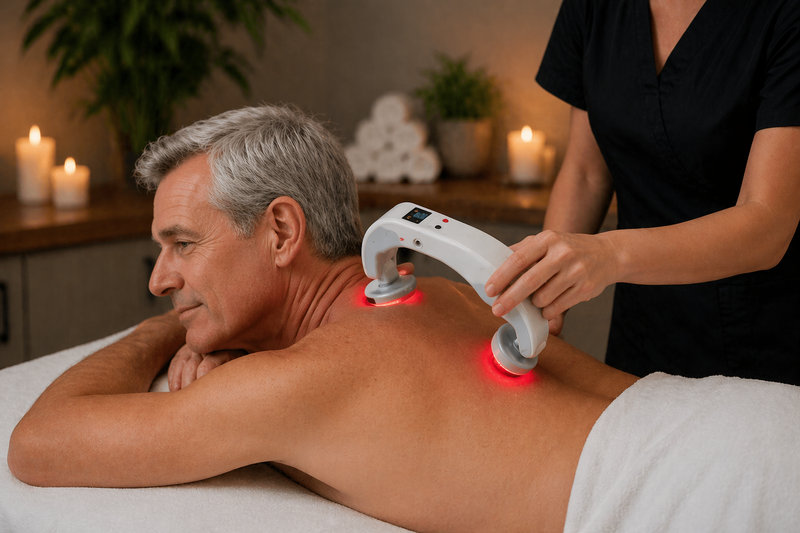
An LLLT device for spas offers a comfortable, non-invasive treatment support option that many clients find easy to say yes to. But the value lies in more than the session itself. Using low-level laser therapy can change the client’s entire impression of your spa for the better.
Why Comfort Keeps Clients Coming Back
A lot of spa services can help your clients feel better over time, but in the moment, they feel the opposite. To keep your clients coming back, you need methods that provide a good experience while leading to long-term improvements.
Low-level laser therapy is one of these methods. Each session is only a few minutes long with little to no sensation. All the device needs to support the body is light. This light can penetrate the tissues and interact with cells, stimulating their natural healing processes. Your clients can fit this treatment into their plans without creating any extra stress or recovery time.
You can most clearly see the retention improvement this therapy provides among clients who come to you to address sensitivity or pain. You can use LLLT devices for arthritis and other forms of chronic pain without making the pain worse, as a massage might. You can also use it for clients who are sensitive to deep pressure or get sore easily.
Offering a painless option that supports comfort makes it easier for your clients to repeat it. Instead of fearfully hesitating to book another appointment, they’ll be eager to come back for more comfortable support.
Designing a Repeatable Rhythm
Another key part of spa treatments is their long-term effects. Spas often lose clients because the service feels like a one-time treat. You can change that by building a rhythm with LLLT.
Low-level laser therapy is not an exclusive treatment. It is designed to work over time in short, consistent sessions. As a result, it needs to be a part of a consistent routine. You can introduce these short sessions as add-ons alongside your existing services. The client leaves with a simple idea: “This is part of how I maintain comfort.”
When clients understand how often they might use a certain method, they are more likely to rebook. But when they leave without a plan for next-steps, they default to “maybe later.” Later often becomes never.
The Value of Purposeful Add-Ons
Clients do not mind paying for add-ons when they understand what the add-on is doing in the context of their visit. The problem is that many upgrades feel like more stuff, not better care.
LLLT is more appealing when you tie it to a clear purpose. Make sure to explain what laser therapy does in a simple way. You could tell your clients that the light works on a cellular level to support their comfort and recovery over time. Stick with terms and moments they already recognize.
The language you use matters, as well. If your explanation sounds like a pitch, clients hear a pitch. If it sounds like clinical guidance, clients treat it like part of the plan.
How to Fit LLLT into a Spa Menu
Integrating low-level laser therapy doesn’t need to turn your treatment rooms upside down. It can support what you already do, rather than competing with it. Here are some of the ways you could easily integrate it into your regular systems:
Post-Massage Support for Sensitive Clients
If a client loves massage but dislikes deep pressure, you can use LLLT as a supportive step. You can offer a treatment that reaches into those deep tissues without leaving the client bruised or feeling overworked. That keeps the session relaxing while remaining purposeful.
Athletic Recovery Add-Ons
Clients who train, run, cycle, or lift often appreciate simple and consistent options for recovery support. Try introducing LLLT as a support method that pairs with mobility work, stretching guidance, or existing recovery services you offer.
Targeted Comfort Sessions Between Bigger Appointments
Some clients do not want a full service every time. They want a quick visit that helps them stay on track. A short, focused LLLT session can give you a lightweight appointment type that supports steady engagement and fills schedule gaps.
Protecting Satisfaction and Retention
Spas earn loyalty when clients feel cared for, not managed. Don’t leave your clients confused or uncertain about what they paid for. Be clear about everything. Explain what they will feel or won’t feel during the LLLT session. Make sure they understand the subtle nature of laser therapy. It’s a supportive process, not a dramatic, one-time fix.
You can also encourage clients to notice practical markers that matter to them, such as how they feel later that day, how the area responds during their next workout, or how their general comfort changes over a few visits.
Over time, your best retention advantage is the feeling clients associate with your spa. If you want higher retention, look for services that create repeatable reasons to return without adding complexity. A professional-grade LLLT device fits that profile.