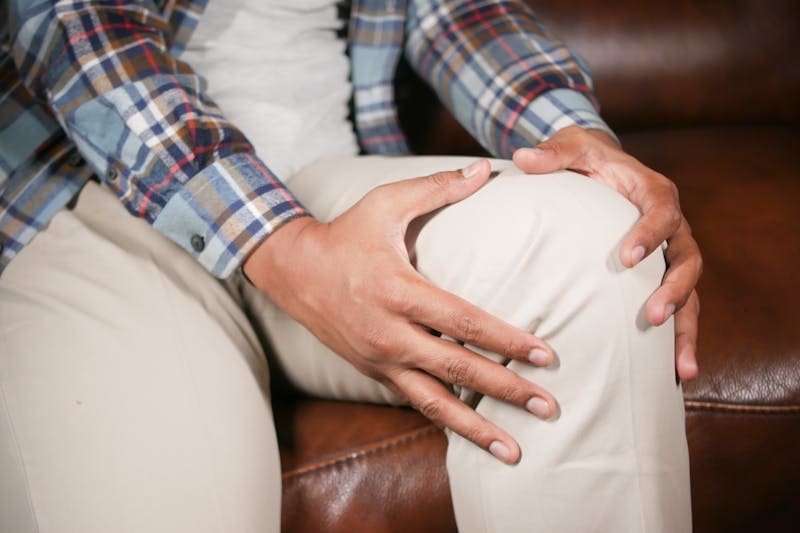
Arthritis flare-ups can make everyday tasks harder than usual. When your joints feel swollen, stiff, or sensitive, even during simple activities like walking, bending, gripping, or getting out of a chair, can be uncomfortable and difficult. Arthritis symptoms can intensify suddenly, and flare-ups may last for days or longer, depending on the type of arthritis and other health factors.
During arthritis flares, many people look for ways to manage discomfort without putting additional stress on already irritated joints. Lower-impact approaches often feel easier to tolerate when movement is limited and pain or inflammation is more noticeable.
Low-level laser therapy (LLLT) is a non-invasive, non-thermal approach that some people include in their arthritis care routines during flare-ups. Because it does not involve added pressure on sensitive joints, it may feel easier to tolerate when discomfort is more noticeable. During flare-ups, many people prioritize simple, lower-impact approaches that are easier to use consistently while symptoms are more intense.
Why Arthritis Flares Often Change Your Routine
During a flare-up, it is common to approach your day a little differently. You may take more breaks, avoid certain movements, or rethink activities that normally feel manageable. Even small tasks can require more planning when your joints are already feeling irritated.
This is also when many people start paying closer attention to how different support strategies feel from day to day. Something that feels comfortable during a mild symptom period may not feel as practical during a flare. In many cases, simpler and lower-impact routines become easier to stick with when symptoms are more noticeable.
For some individuals, that includes using LLLT for arthritis as part of a broader care routine. Because LLLT does not rely on forceful movement or added pressure, some people prefer it during periods when joints feel especially sensitive.
How LLLT Fits During Higher-Discomfort Phases
During periods of increased discomfort, many people start looking more closely at how their daily care routines affect sensitive joints. Approaches that require pressure, aggressive movement, or prolonged activity may feel harder to tolerate when symptoms are more noticeable.
LLLT is often included as part of a lower-impact support routine during these periods. Also called cold laser therapy, LLLT uses light energy rather than massage, compression, or forceful manipulation. Sessions are typically short and designed to be non-invasive and non-thermal.
A deep-penetrating LLLT device delivers specific wavelengths of light to the skin and underlying tissue without placing direct pressure on the affected area. Researchers continue to study how light-based therapies interact with cellular activity and processes involved in tissue repair.1
Non-Thermal Support Can Feel More Comfortable
Heat can feel helpful when muscles are tight, but during an arthritis flare-up, it does not work well for everyone. When joints already feel sensitive or irritated, some people prefer approaches that do not add additional warmth to the area.
That is one reason some individuals explore cold laser therapy during flare periods. It is non-thermal, meaning it does not rely on heat during a session. Many people report feeling little to no sensation during sessions.
For those who feel more sensitive to temperature or direct stimulation during arthritis flares, a non-thermal approach may feel more approachable.
Pairing LLLT With Broader Comfort Strategies
An LLLT device often is not a standalone solution. It is an adjunct that is often part of a bigger comfort plan. It doesn’t need to support the entire process on its own. Arthritis flares typically respond to a combination of pacing, rest, gentle movement, and support methods that do not overwhelm the joint.
You might use LLLT alongside:
- Rest periods that reduce activity around a sensitive joint. This helps reduce the temptation to keep pushing through discomfort just because the day demands it.
- Light movement or mobility work, if your care plan includes it. Gentle motion can still have a place during a flare, especially when done carefully and within your comfort range.
- Daily adjustments that reduce strain. This may include changing how long you stand or how often you repeat certain tasks. Small changes typically matter more during a flare-up than they do on easier days.
What Support During a Flare May Look Like
Everyone’s experience with LLLT for arthritis can be different, especially during flare-ups when symptoms may change from day to day. For many people, the goal during these periods is not an overnight change. It is finding approaches that feel manageable and realistic to use consistently.
Over time, small day-to-day changes may become more noticeable. A daily task may start to feel easier to work through than it did a few weeks earlier, or you may find it easier to stay consistent with your overall routine.
During arthritis flares, many people focus less on quick changes and more on finding ways to make difficult periods feel more manageable overall.
How to Use Your Device Thoughtfully During a Flare
Flare periods usually call for more care, not intensity. When using LLLT, stay consistent, follow directions, and pay attention to how the joint responds over time. Rather than judging everything from one session, be patient.
You also need to keep your expectations realistic. A flare is a higher-discomfort phase, so you should focus more on providing steady support for your body. That mental framework can make it easier to recognize changes.
A Manageable Way to Support Arthritis Flare-Ups
Arthritis flares can make everyday movement feel more difficult than usual. Tasks that normally feel routine may suddenly require more caution, and some support methods may feel too aggressive when a joint is already irritated.
That is why many people look for approaches that feel easier to tolerate during higher-discomfort periods. Low-level laser therapy offers a non-invasive option that can fit into a broader comfort routine without relying on added pressure or heat. For some individuals, that lower-impact approach may feel easier to use consistently during flare-ups, especially when comfort and simplicity become the priority.
Video