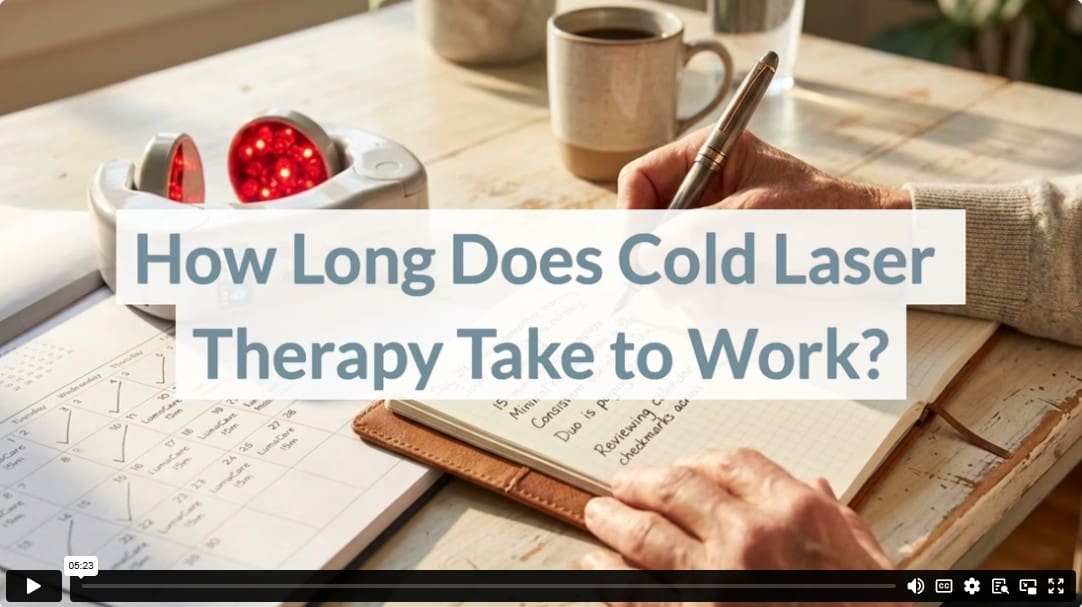
You’re dealing with pain, stiffness, inflammation, or limited movement. You decide to buy a cold laser therapy machine to add to your recovery routine. So how long until you notice a difference?
Cold laser therapy is typically used as a gradual, consistency-based approach. It is often described as supporting the body’s natural processes, with any changes developing over time rather than all at once. Individual experiences can vary based on factors like the area of use, frequency, and overall routine.
Setting expectations around pace can make the experience easier to evaluate. If you expect a dramatic response after one session, you may overlook more subtle shifts or the value of simply maintaining a consistent routine.
Here are some general guidelines on how cold laser therapy is commonly used and what kind of timeline you might expect.
What You May Notice in the First Few Sessions
You may not feel a major change right away, but that does not mean the device isn’t working.
Cold laser therapy is often associated with gradual, subtle changes. For some people, early observations are not centered on pain levels. Instead, they may notice small differences, such as a joint feeling less stiff in the morning or an area feeling more comfortable after activity. Individual experiences can vary.
If you are looking for a big before-and-after moment, these subtle changes can be easy to overlook. Early shifts may feel modest, but they can still play a role in supporting a consistent, long-term wellness routine.
Most Changes Take Time
Cold laser therapy is often used as part of a routine that supports the body’s natural processes, which can take time. Changes in comfort and mobility do not happen on command. They are often gradual and may develop with regular use over time.
Think about it this way. If an area has been dealing with ongoing strain or sensitivity, it may take more than a few sessions to notice any changes. A steady routine gives you a consistent way to incorporate this type of support.
Over the course of several weeks, some people begin to notice more consistent changes, although individual experiences can vary. These observations are especially noticeable if you have a cold laser therapy device for home use that you place properly and use consistently.
3 Factors That Affect Your Experience
The timeline people associate with cold laser therapy use can vary based on several practical factors. These factors relate more to how the device is used and the context of the routine than to any single session.
Here are three of the most common factors:
1. The Condition You’re Addressing
Short-term or localized discomfort may be approached differently than long-standing or recurring areas of concern. Because of this, people often incorporate cold laser therapy into their routine for varying lengths of time depending on their goals and circumstances.
2. How You Use the Device
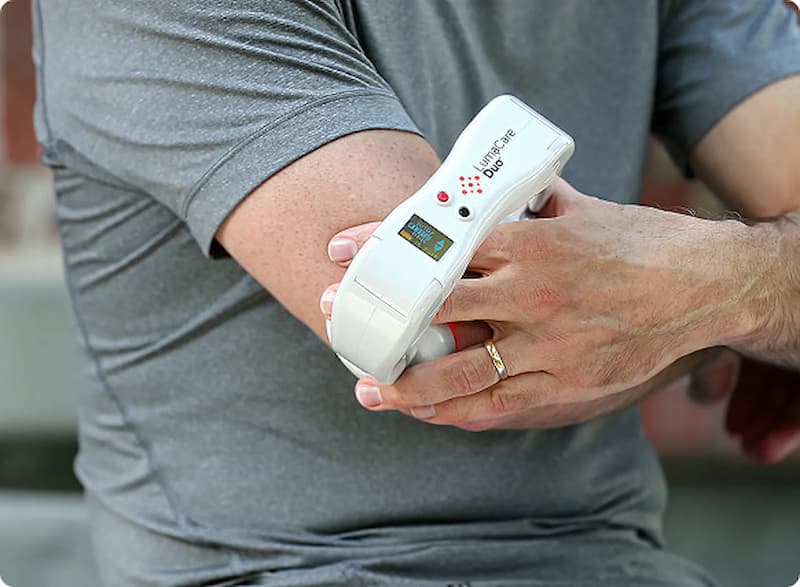
Correct placement and following the device instructions are important for consistent use. When you use a handheld cold laser therapy device as directed, it is easier to maintain a steady routine and track how it fits into your overall care plan.
3. Consistency
How often you use the device can also influence how the routine feels over time. Some people use it on a regular schedule, while others use it more intermittently. A consistent approach can make it easier to integrate into daily habits and evaluate how it fits within a broader wellness routine.
Consistency Matters More Than Intensity
Many people assume using a device more intensely or for longer sessions leads to faster changes. That’s not always true. Cold laser therapy is often used in a way that emphasizes consistency over intensity or duration.
If you use the device a few times, then pause for several days, it can be harder to establish a clear pattern of use. Giving the process time and using it on a more regular basis can make it easier to evaluate how it fits into your overall routine.
One of the advantages of cold laser therapy devices is that they are designed for low-intensity, repeatable use. They do not rely on heat or strong physical sensations, which makes them easier for many people to incorporate into a regular schedule.
You do not need a complex plan to get started. A simple, realistic routine that fits your lifestyle is often easier to maintain over time than something overly ambitious that becomes difficult to stick with.
How to Track Progress Without Guessing
If you want a clearer sense of whether the device fits into your recovery, pay attention to specific symptoms instead of waiting for a dramatic breakthrough. Instead of asking, “Do I feel completely better now?” you might reflect on general day-to-day observations such as:
- How stiff do I feel first thing in the morning?
- How comfortable does movement feel during or after activity?
- Do I notice swelling or irritation as much as I used to?
- How often does pain interrupt my routine?
The Mindset That Helps the Most
If changes come slower than expected, don’t give up. Look for progress, not instant transformation. If you expect a long-standing issue to disappear after two or three sessions, you are setting yourself up for frustration. Cold laser therapy is not intended to be a quick fix.
Stay patient, pay attention to smaller improvements, and use the device regularly enough to let your body have a fair chance to respond. Individual experiences can vary, and the process often involves noticing patterns over time rather than immediate shifts.
Treat cold laser therapy as part of a routine, not a one-time test.
Video