
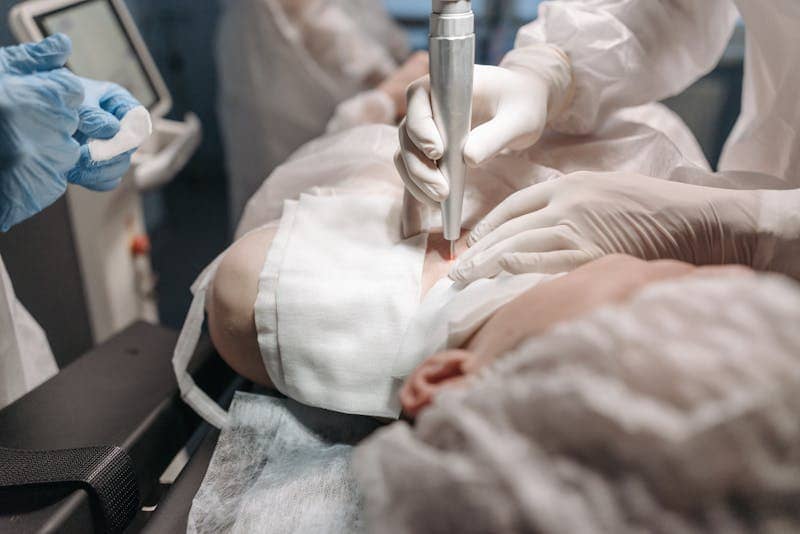
Post-surgical recovery is largely about giving your body the time and space it needs to heal without adding unnecessary strain. That sounds straightforward, but it can become more complex when you start layering in different recovery tools and routines.
If you’ve just had surgery, your body is already managing a lot. Healing is ongoing, swelling can fluctuate, and movement may feel different from what you are used to. In the recovery stage, many people find that keeping things simple and consistent is more helpful than trying to do too much all at once.
Cold laser therapy is one tool some people include in their recovery plan. A professional cold laser therapy device can be part of a broader post-surgical care routine, but it works best when it is used thoughtfully and in line with provider guidance.
If you are considering cold laser therapy after surgery, a few simple do’s and don’ts can help you stay aligned with a steady, low-stress approach to recovery.
Do Follow Provider Guidance First
Your first reference point should always be the guidance you receive from your surgeon or recovery team. They know the type of procedure you had, the stage of healing you are in, any limitations that apply to your case, and what supportive methods may serve you best.
Timing makes a difference during recovery. Even a non-invasive support tool like cold laser therapy has a proper place within a larger plan. If your provider has told you to avoid certain therapies or to wait before applying anything near the surgical site, follow that guidance closely. Cold laser therapy should be in harmony with the recovery plan, not compete with it.
Your doctor’s guidance also gives you a better foundation for judging progress. They can advise you on exactly what the method supports and when you may start noticing a difference. Once you know how the tool fits your recovery timeline, you can use it with less guesswork.
Do Use the Machine as Directed
When using a cold laser therapy machine for post-surgical recovery, your doctor’s instructions aren’t the only ones to follow. Your device will also include instructions for use. That often includes session length, placement, frequency, and any safety guidance that applies to the device.
It can be tempting to improvise when you are eager to feel better. Resist that urge. If the instructions include recommended session times, frequencies, and patterns, stay within that range. Otherwise, you may end up turning a straightforward, low-impact method into one that misses the mark or becomes hard to track.
Creativity isn’t always better, especially in surgical recovery. Instructions are there to help you. Stick to them.
Do Keep Your Use Consistent
In post-surgical care, healing responds best to steady support. Consistency matters. One well-timed session may feel helpful, but long-term benefit comes from regular, measured use over time. That consistent pattern gives your body a chance to respond without any abrupt changes in method or practice.
Many buy a cold laser therapy device while recovering because it fits easily into a routine. It doesn’t require extensive training or extra equipment. Sessions are quick, typically ranging from three to seven minutes. You can use it at the same time of day for several weeks or alongside other simple habits like rest and light movement.
If you use it one day, skip several days, then double up later, it becomes much harder to tell what is actually helping. Consistent use makes any changes you may experience easier to recognize.
Don’t Neglect Normal Surgical Care
Cold laser therapy is a supportive tool. It’s not a standalone recovery plan, nor is it a medical device. Don’t treat it like one.
During surgical recovery, nothing can replace rest, wound care, movement guidance, and medical follow-ups. You should not abandon those for cold laser therapy as your only supportive method. Not only will you stunt the results of the therapy, but you may very well put your health at risk.
Fortunately, you don’t need to give up professional care to use cold laser therapy. It works best as one part of a larger plan, not as the sole method. Its low impact and portability make it easy to use while doing other things, like reading a book or watching a show. You can use the device in between appointments or alongside other supportive tools. You don’t need to restructure your entire schedule to add cold laser therapy sessions.
Don’t Rush the Recovery Timeline
One of the most common mistakes in post-surgical recovery is trying to speed up every stage. That impulse is understandable. You want to move better, feel more comfortable, and get back to normal life. Still, pushing too hard can backfire.
Cold laser therapy is not permission to ignore the natural pace of healing. Don’t think of it as a shortcut to healing. If your body needs restricted movement or time for swelling and irritation to settle, that remains true.
Post-surgical tissue responds best to gentle, measured support. Avoid overwhelming the area just to feel like you are doing something useful. Longer or more frequent use of cold laser therapy is not recommended, either. Follow directions, stay patient, stay consistent, and give your body time to respond.
Don’t Be Inconsistent or Random with Placement
With cold laser therapy, placement matters. If you are too casual about where you use the machine, you may make your routine harder to evaluate. That is especially true after surgery. The treated area can already feel sensitive, and the healing process may be unfamiliar.
Try to apply the device intentionally and consistently each time you use it. Following your provider’s advice and your device’s instructions is also essential here. Often, they will tell you exactly where you should place your device.
Don’t jump from one spot to another based on guesswork. Moving around can make it harder to understand whether your routine is actually helping. On the other hand, the more consistent you are in both placement and timing, the easier it becomes to notice patterns in comfort and recovery.
Staying Steady Through Post-Surgical Recovery
Post-surgical recovery is rarely about doing more. It is about giving your body a clear, consistent environment to heal in, without adding unnecessary strain or complexity along the way.
Cold laser therapy is one tool some people include in that process. A cold laser therapy device can be part of a broader routine where use stays simple and structured rather than improvised or inconsistent. It is generally meant to support steady, repeatable use alongside your normal recovery care.
In most cases, post-surgical recovery is built on small, repeatable habits done consistently over time. Cold laser therapy can be one of those habits when you use it carefully, at the right stage, and as part of a routine that stays aligned with your provider’s guidance and your overall recovery plan.