Recovery after surgery may seem straightforward at first. You follow your doctor’s instructions, rest when you’re told to rest, and then wait while your body takes care of the rest. But the waiting can get old fast. The hours spent in bed or at appointments can make it feel like recovery is consuming all your time and not getting any better.
Many people reach a point where they want to take a more active role in their recovery. There are several tools available to help you do just that.
Cold laser therapy, also known as low-level laser therapy (LLLT), is a non-invasive option that some people include alongside standard post-surgical care plans, following guidance from their healthcare provider. Before you add it to your recovery plan, though, you should know what this method involves. Looping in your care team is a smart first step.
How Does Cold Laser Therapy Work?
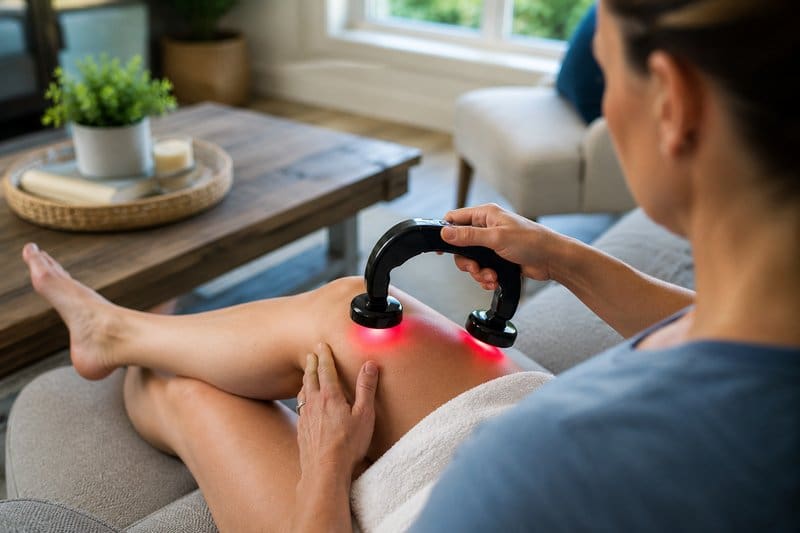
A cold laser therapy device delivers low-level wavelengths of light to the skin and underlying tissues. The term “cold” does not mean the laser itself is cold. It just refers to the fact that the device does not use heat. Rather than forcing a change through thermal energy, it uses specific wavelengths of light believed to interact with the body.
LLLT devices may use different wavelengths that interact with tissue at varying depths, depending on factors such as wavelength and tissue composition. Researchers have studied how these wavelengths interact with cells, and some proposed mechanisms involve cellular energy production processes, though the scientific understanding continues to evolve.1
A multi-wavelength cold laser therapy machine is designed to interact with tissue in different ways depending on how light is delivered.
Why Your Provider’s Input Matters After Surgery
Every surgery is different. The incision site, the depth of the procedure, and the degree of healing needed. The current health of the surrounding tissue and the stage of healing all vary from person to person throughout the healing process. What works well as part of a wellness routine three months post-surgery may not be appropriate two weeks out.
Your surgeon or physical therapist has context about your specific procedure that no product or wellness guide can match. They know where your incision is, how it’s healing, whether there are any complications to monitor, and what activity level is appropriate at each stage of your recovery. Their input can help you decide how and when to use any supportive tool, including cold laser therapy, to fit where you actually are in the healing process.
Talking to your provider before starting cold laser therapy also opens the door to discussing how it can complement your existing care. They can advise you on how to best work it into your plan without displacing any other method.
Fitting Into a Recovery Routine
Cold laser therapy is not a quick fix. People who include LLLT in their routines often do so over repeated sessions rather than as a single use. Approaches vary depending on individual care plans and provider guidance.
You may not notice anything with a one-time use or sporadic sessions. Use it regularly and consistently over the course of several weeks or months. Build it into a regular wellness routine over weeks, rather than using it as an occasional tool.
The best cold laser therapy device for post-surgical support is the one that’s part of a larger routine. It is not a standalone solution. You shouldn’t try to use it as a replacement for any other recommended care modalities. LLLT is best used alongside adequate rest, prescribed physical therapy, good nutrition, and any other care your provider has outlined.
Fortunately, laser therapy isn’t hard to incorporate into a care plan. Sessions typically run three to seven minutes, with no preparation or recovery time required. Many find they can fit it into a daily routine without disrupting the rest of their schedule.
Operating the Device at Home
One reason cold laser therapy has gained traction among people managing post-surgical recovery at home is that it doesn’t require a medical professional to operate the device.
Many cold laser therapy devices are available for home use and do not require a prescription or professional license to purchase or use. This method is not barred behind physical therapy visits and doctor bills. Many home-use devices are designed for use outside of clinical settings, depending on provider recommendations and individual circumstances.
That accessibility makes it even more important to start with your provider’s input. You’re the one who will be using the device. You need enough context about your recovery that you know how to use it in a supportive role. The more information you have, the better.
How Timing Impacts the Method
One of the most common questions people have is simply: when is it okay to start?
Unfortunately, there’s no single answer. It depends on the type of surgery, the location of the procedure, and the progress of your individual recovery. Some people may be ready to incorporate cold laser therapy into a wellness routine within a few weeks of a procedure. Others may need to wait longer. The only way to know where you fall is to ask.
Progress after surgery doesn’t always follow a prescribed schedule. Some days feel like steps forward, others like setbacks. Timing and routine vary based on surgery type and individual recovery plans, so follow guidance from your healthcare provider when deciding when to begin.
Questions Worth Asking Before You Start
To make the most of LLLT, you should go into the conversation with your provider prepared. Here are a few questions that can help you get useful, specific guidance:
- Is there any reason I should avoid applying light-based therapy near my incision site at this stage of healing?
- Are there specific areas you’d recommend I avoid, or a timeframe I should wait before starting?
- How does this fit alongside my current physical therapy or medication plan?
- Are there signs I should watch for that indicate I should stop and check back in with you?
Start the Conversation, Then Start the Routine
When considering cold laser therapy, talking with your provider first is more than a formality. That initial conversation is how you make sure you’re using it in a way that actually supports where you are in your recovery.
Introducing a new method to your routine doesn’t have to involve a lot of guesswork. Start with a conversation with your care team, and move forward from there. Once you implement cold laser therapy properly and consistently, your recovery can fall back into your hands, one session at a time.
1https://pmc.ncbi.nlm.nih.gov/articles/PMC5215870/
Video