
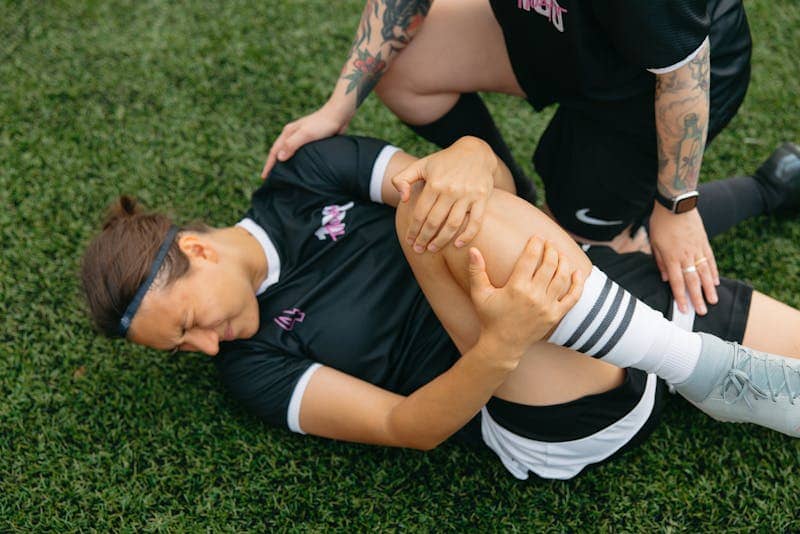
Sports injury recovery can feel like two steps forward and one step back. You may notice clear progress early on as your pain decreases and movement starts to feel more natural again. Then the pace can shift. Progress may feel less noticeable, even if you are still doing the same things that helped before.
That plateau can feel discouraging, especially if you’re making an effort to do all the right things. You are resting when needed, moving carefully, and trying to stay consistent. Still, your body may continue to feel irritated, stiff, tender, or slightly behind where you expected it to be.
This kind of pause in progress is common and does not necessarily mean recovery has stopped. It may simply reflect how recovery naturally varies over time, especially as activity levels start to increase again.
This is when some people choose to include tools like a non-invasive low-level laser therapy (LLLT) device as part of their broader recovery routine. Also known as cold laser therapy, it does not rely on pressure or heat, which is why it can feel easy to incorporate alongside other low-impact recovery habits.
Why Recovery Can Feel Like It Slows Down
A recovery plateau often reflects what is happening beneath the surface, even when visible symptoms seem to disappear. The most obvious pain may have eased. Deep inside, the tissue may still be adapting and rebuilding in ways you can’t see but that still may cause pain, irritation, or restrict your movement.
One reason progress can feel slower is that the area is more sensitive to small, repeated stress. Normal daily movement, light training, or a gradual return to activity can have a greater impact on how you feel than it did before your injury. Even if you don’t feel like you are overdoing it, repeated movements can influence how quickly things continue to improve.
Another factor is timing. Recovery does not always match activity level. The tissue may still be working through the later stages of repair, even when you feel ready to do more. This mismatch can make progress feel uneven.
Pacing also matters. When activity increases faster than the area is ready for, recovery can feel like it stalls rather than continuing forward. That does not mean progress has stopped. It usually means the body is still adjusting to the new activity level.
What a Plateau Can Look Like
You usually notice a recovery plateau over time as you return to daily activities and light training routines. You might see signs like these:
- A familiar ache that improves slightly, then returns after normal activity.
- A joint or soft tissue area that still feels stiff or tense during certain movements.
- A completed recovery regime, but one that doesn’t feel like it had a satisfying result in daily life or training.
The Benefits of Consistent Low-Impact Support
When recovery feels like it has slowed down, it is common to think about doing more to try to push progress forward. In some cases, though, the focus shifts toward keeping things steady rather than increasing intensity.
Approaches that add more pressure, deeper stretching, or stronger stimulation may feel less comfortable when the area is already sensitive. Many people at this stage focus instead on consistency and keeping the routine within a manageable range.
Sports injury recovery requires patience, and steady support often works better than trying to force a change in pace. When you buy an LLLT device online, you are choosing a method designed for that kind of repeatable use. For athletes, some of the best routines often use methods that are non-invasive and do not rely on heat or mechanical force. They can fit alongside other low-impact strategies when the area feels more sensitive.
The best LLLT for sports injury approaches are typically those that can be used regularly as part of a simple routine, rather than something you rely on occasionally when symptoms feel worse. The goal is consistency that fits into what you are already doing day to day.
Many active people already understand this idea from training. Progress usually comes from repetition and structure, not isolated effort.
Keeping Recovery Steady
When recovery feels like it has paused, it often helps to simplify rather than constantly change the plan. A steady routine, appropriate movement, and avoiding unnecessary strain are often smarter strategies than making frequent adjustments or turning to higher-intensity options.
If progress feels slower than expected, it can help to look at smaller, day-to-day changes instead of expecting large shifts.
Over time, you may notice things like:
- How the area responds during and after activity
- Whether stiffness or irritation subside more quickly than before
- How comfortable movement feels in familiar patterns
- Whether certain activities feel easier to repeat than earlier in recovery
These kinds of signals often show how the area is responding in real time, even when overall progress feels less obvious.
Because it is easy to use consistently and does not rely on strong physical input, LLLT can fit into a variety of care routines following a sports injury when the focus is on keeping things stable rather than pushing harder.
A Plateau Is Still Part of Progress
A stalled phase can make recovery feel uncertain. However, it doesn’t automatically mean something has gone wrong. For many people, that’s a normal part of the recovery process. Many sports injuries plateau simply because the tissue needs extra time or care.
If you approach that stage with patience and the right kind of support, it may feel easier to stick with their care plan. During periods like this, some people use LLLT as part of a steady routine to help them maintain consistency.